
 Louis Harris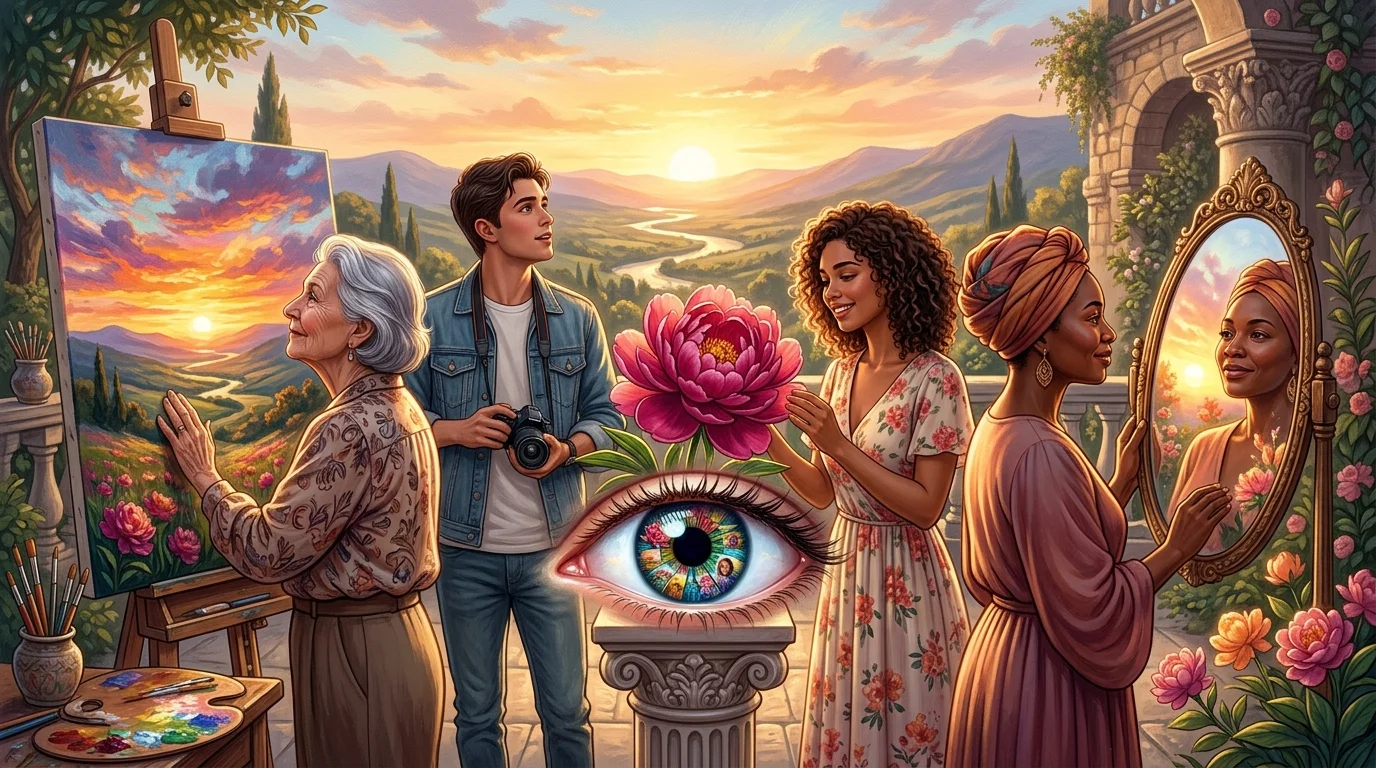
Have you ever looked at a picture of a person or a pretty flower and thought it looked so nice? Your friend looked at the same thing and said it was just okay. That special feeling is what the famous saying beauty is in the eye of the beholder is all about. This old and friendly line means that beauty depends on who is looking at it. It is not a hard rule that every person must follow the same way. One person might love something very much. Another person might not care for it at all. We hear this saying in everyday talk with friends. We hear it in movies we watch. We hear it on phones we use. We hear it in songs we sing all the time. It shows up when people talk about faces. It shows up when people talk about clothes. It shows up when people talk about art on walls. It even shows up when people talk about the way someone acts kindly. In this article we will walk through the story of the saying in a calm and easy way. We will see what it really means deep down in simple words. We will see some fun examples from old shows and real life. We will see easy ways you can use the idea every day. After that we will look at how different places see beauty in their own way. We will finish with some gentle tips that can make life feel kinder for everyone. Ready to explore together like friends chatting over a snack on a sunny afternoon? Let us begin this nice walk through the words with open hearts.
The Literal Meaning and Core Idea
When we say beauty is in the eye of the beholder, we mean that pretty things live right in the mind of the person who sees them. There is no single list that tells everyone what looks nice or what does not. Your own feelings help shape what you like the most. The things you have lived through as a child or grown-up help too. The place where you grew up helps as well. For example, one child might think a bright red bike is the best thing ever in the whole world. Another child thinks a quiet blue bike is much nicer and more fun to ride. This idea is not just for faces or bodies that people look at every day. It works for songs that make you dance with happy feet. It works for paintings that hang on walls. It works for trees outside the window that sway in the wind. It works for the way a friend laughs with a big smile. Because every person carries their own special story inside them, two people can look at the exact same flower in a garden. They can feel different joy from it. That is why the saying feels so true and warm in our hearts. It reminds us that our own eyes get to decide what makes us smile and feel happy.
Also, this means that beauty is like a soft gift that each person opens in their own way. Next time you see something that makes you feel good inside, you can remember that your eyes are doing a wonderful job. Another thing is that this idea helps us stay kind when friends like different things from us. For example, if your sister loves a dress you do not like, you can smile and say it looks pretty to her eyes. That is the gentle power of the saying. Over time you will notice more pretty things all around you because you let your eyes lead the way. In addition, you might see a cloud in the sky that looks like a funny animal. One friend sees a bear. You see a dog. Both are nice in different ways. This means we all get our own pretty pictures in our minds. Next you might share your picture and hear theirs. That is why the saying makes talking fun. You can learn new things from friends this way. It opens small doors to happy talks every day.

Historical Origin and Evolution of the Phrase
The thought behind beauty is in the eye of the beholder goes way back in time to long-ago days. Long ago in ancient Greece, people already talked about how beauty sits in the mind instead of being a solid thing you can hold in your hand. Writers then wondered if pretty things were the same for everyone or if they changed with each person who looked. Later, an English writer named John Lyly put similar ideas into his books that people read. William Shakespeare also wrote something close in his play Love’s Labour’s Lost. He said beauty is bought by the judgment of the eye. That means the eye decides what counts as beautiful in a soft and clear way. After that, smart thinkers like David Hume and Benjamin Franklin kept the idea alive in their writings. Hume said beauty lives only in the mind that looks at things carefully. Franklin wrote that beauty is held up by opinion, which means what people think. Over time the words slowly grew closer to the ones we use today in a natural way. Then in 1878 a kind writer named Margaret Wolfe Hungerford put the exact phrase into her book Molly Bawn. That is the first time we see beauty is in the eye of the beholder written just the way we say it now. The saying kept traveling through books and talk until it became the common line everyone knows and loves.
In addition, this long journey shows us how good ideas can last for hundreds of years. Because people kept sharing the thought in new ways, it stayed fresh and helpful. That is why we still use it today when we talk with friends or family. For example, you might hear a grandma say it when looking at old photos with a smile. Next you might hear a teacher use it in class with happy eyes. Over time the saying became a soft friend that many people keep close in their hearts. Another thing is that writers added small pieces to the idea over the years. This means the saying grew stronger like a tree with deep roots. That is why it feels warm when we hear it now. You can feel the history in the words like a cozy blanket that covers us all.
Who Said It? Common Misattributions and the True Source
Many people think William Shakespeare said beauty is in the eye of the beholder first. Others point to the Bible or other old books that feel wise. Those guesses make sense because Shakespeare wrote something very close to it. Old wise books talk about seeing with the heart more than the eyes. But the true source for the exact words we use today is Margaret Wolfe Hungerford. She wrote them in Molly Bawn in 1878 with care. Before her, the idea floated around in different shapes like soft clouds. Yet she gave us the smooth and easy version that stuck with people. Mix-ups happen because the thought is so old and popular in everyday talk. People hear a similar line and attach the modern words to a famous name they already know and like. That is why the saying sometimes gets passed around with the wrong author in a friendly mix-up. Knowing the real story helps us enjoy the words even more. We can thank the right person who put them together so nicely for all of us.
Also, this little mix-up teaches us to check stories gently when we can. Because history can twist like a soft ribbon over time, it feels good to find the true start. For example, many people still smile when they learn Margaret wrote the exact line. Another thing is that it does not take away from the saying at all. That is why we keep using it with happy hearts every time. In addition, we can share the real story with friends. Next they might learn something new too. Over time this makes the saying even better for everyone who hears it.
The Twilight Zone Connection: A Famous TV Twist
One of the most powerful ways people remember the saying is through an old television show called The Twilight Zone. In 1960 a writer named Rod Serling made an episode called Eye of the Beholder that many still watch. The story follows a woman whose face is covered in soft bandages. She hopes the doctors can make her look normal so she can fit in with everyone else around her. If the last try fails, she will have to live far away with others who look like her. When the bandages come off at last, we see that she looks lovely by our eyes that watch the show. But the doctors and nurses have strange and bumpy faces that look odd to us. In their world she is the one who looks wrong and different. At the end a kind man tells her that beauty is in the eye of the beholder with a warm voice. The episode uses the saying to show how groups of people can decide what is pretty and force everyone to match in the same way. It also makes us think about how easy it is to feel left out when we do not look like the crowd around us. The show was so strong that it was made again years later. It kept the same big surprise for new watchers. Watching it still feels fresh because it proves the saying in a story you cannot forget easily.
In addition, this story helps us feel more kindness for people who look different. Because the twist shows that pretty changes with the eyes that look, we learn to open our hearts wider. For example, after watching you might look at a friend with new soft eyes. Next you might smile at someone who feels shy about their looks. Over time the episode becomes a gentle teacher that stays with us for many years. Another thing is that the show uses lights and sounds to make the idea come alive. This means it touches our feelings in a deep way. That is why many people remember the words long after the show ends.

Psychological and Scientific Views on Beauty Perception
Scientists who study the mind have looked closely at why beauty is in the eye of the beholder in a careful way. They found that some things, like even faces or clear skin that feels smooth, feel nice to many people at the same time. At the same time, a big part of what we like comes from our own life and what we have seen. Studies with twins show that brothers or sisters who share the same genes still pick different pretty faces to love. The things each twin saw and felt day by day made the bigger difference in their hearts. Our brains learn from the faces we meet in school. Our brains learn from the pictures we scroll past on phones. Our brains learn from the people we love at home. Recent work also shows that what we saw just a moment ago can change how pretty the next thing looks to us. If you just saw something lovely, the next picture might seem even nicer right away. Life experiences shape taste more than we first think when we are young. That is why two friends can disagree so strongly about a song or a painting they both see. The science gently proves the old saying. Your eyes and your story together create what feels beautiful inside you.
Also, this knowledge makes the saying feel even more real and true. Because scientists see it with careful tests, we can trust our own eyes more. For example, if you like a color that friends do not like, you can feel happy about it. Another thing is that it helps us understand why tastes change as we grow. A child might love one toy. Later the same child might love something else. That is why the saying fits our lives so well. Over time this soft science becomes a friend that supports the saying in a kind way. In addition, the studies show how our minds work like soft clay. They change with what we see and feel. Next we can use this to be nicer to ourselves.
Cultural Differences and Beauty Standards Across the World
Beauty changes when you travel to different places around the big world. In some parts of Asia people often like pale skin that looks soft. They like slim shapes. They like certain eye shapes that feel special to them. In many Western places people may like sun-kissed skin that glows. They may like curvier bodies that feel full of life. In other lands full figures can show health and care from good food. Over time ideals shift too like soft waves in the sea. Long ago some places loved rounder faces that looked happy. Later thin looks became popular in magazines that people read. Today phones and movies spread looks from one country to another very fast. Yet local family ideas still matter a lot in homes. Because of these differences, the saying beauty is in the eye of the beholder becomes extra important for all of us. It helps us understand why a friend from another place might love a style we never thought about before. When we remember that beauty lives in many eyes, we stop judging so quickly. We start celebrating the wide range of pretty things people enjoy every day.
In addition, learning about other places makes our own eyes grow bigger and kinder. Because each culture has its own soft story, we can find new pretty things to love. For example, you might try a new food or song from far away and feel joy. Next you might smile at a dress that looks different from yours. Over time this open heart makes the world feel more like one big friendly home. Another thing is that food, clothes, and dances all show beauty in their own way. This means we can learn a lot just by looking with open eyes. That is why travel or talking to new friends feels exciting.
Beauty in Art, Nature, and Everyday Life
The saying is not only about faces that we see every day. It works for paintings that some people love and others walk past without a second look. It works for music that makes one person dance with happy feet and another person cover their ears gently. A quiet forest path can feel magical to someone who grew up near trees that whisper. A busy city street can feel full of life to someone else who loves the sounds. Kindness can feel beautiful deep inside. A warm laugh that fills a room can feel beautiful. The way a person helps a neighbor with a smile can feel beautiful too. When we use the idea of beauty is in the eye of the beholder, we open our eyes to more joy all around us. We can look for the pretty parts in things that are different from our usual likes. A simple tip is to ask a friend why they love something you do not understand yet. Listening with soft ears often shows you a new kind of beauty you never noticed before in a kind way.
Also, this opens doors to wonder every single day. Because beauty hides in small places too, we can find it in a leaf or a kind word. For example, the way sunlight hits a window can feel pretty to one person. Another thing is that a handmade card from a child can fill a heart with joy. That is why looking with open eyes brings more happy moments. Over time you will collect many soft treasures of beauty in your mind. In addition, nature shows the saying all the time. One person loves rain. Another loves sunshine. Both are pretty in their own time. Next you might sit quietly and find something new. This means the saying is a good friend for quiet days too.

The Saying in Pop Culture, Quotes, and Tattoos
Today the saying beauty is in the eye of the beholder shows up everywhere we look. Songs use it in soft lines. Movies quote it in big moments. People write it under photos on their phones with love. Full versions or short twists appear on posters that hang. They appear in books that people read. Many people choose to put the words into tattoos on their skin. They get the line inked because it reminds them that their own looks and style are enough and special. The tattoo becomes a quiet promise to accept themselves fully. It helps them let others do the same with kindness. Some add flowers or eyes next to the words to make the art personal and pretty. Others choose it after hard times when they learned to like their own reflection in the mirror. The phrase turns into a badge of freedom that says my eyes get to decide what is beautiful for me.
In addition, seeing the saying in songs and art makes it feel alive and close. Because people share it so often, it becomes a warm hug for many hearts. For example, a young person might get the tattoo after a tough day and feel stronger. Next they might share a photo of it with friends. Over time the words travel from old books to new skin and keep helping. Another thing is that quotes on social media spread the idea fast. This means more people learn the friendly message. That is why the saying stays young and fresh.
Practical Lessons: Embracing Subjectivity for Better Living
Living with the idea that beauty is in the eye of the beholder can make days softer and brighter. First, own your own likes without any shame in your heart. If you love a color or a hairstyle that others do not like, that is fine and good. Your joy is real and belongs to you. Next, respect the tastes of friends and family even when they surprise you in a nice way. A gentle “I see why you like that” builds trust and warm feelings. You can also gently question hard rules that say only one body type or face is okay for everyone. When magazines or screens push one look, remember the saying and look for many kinds of pretty with open eyes. In friendships and love, this idea helps you see past surface looks. It helps you notice the kind heart or funny stories that make someone shine. Each day you can practice by finding one new pretty thing that is different from yesterday. Over time this habit grows kindness inside you and around you like a soft garden.
Also, these small steps make life feel lighter every morning. Because you trust your eyes more, you worry less about matching others. For example, you might wear a shirt you love even if friends choose something else. Another thing is that you can cheer for a friend who likes a style that feels new to you. That is why the saying becomes a daily friend that helps. Over time you will feel more free and happy in your own skin. In addition, you can teach this to younger kids in your family. Next they might grow up feeling good about themselves. This means the idea spreads like warm light.
Common Myths and Misunderstandings
Some people think the saying means beauty is totally random and anything goes without care. That is not quite right in a gentle way. There are shared things many people enjoy, like balance in a picture or bright colors that pop. Yet personal taste still fills in the rest with love. Another mix-up is thinking the saying tells us to ignore all common ideas that groups share. Instead it invites a happy balance that feels good. We can notice what many people like while still trusting our own eyes fully. The true heart of beauty is in the eye of the beholder is open-minded care, not confusion or worry. It does not force us to pretend we like everything we see. It simply asks us to leave room for other eyes to see differently with kindness.
In addition, clearing these myths helps the saying shine brighter. Because we understand it better, we use it with more joy. For example, you can like a song even if friends do not. You can still be friends. Next you can enjoy art that feels special only to you. Over time these clear ideas keep the saying pure and helpful for all. Another thing is that it stops us from feeling bad when tastes differ. This means more peace in talks with others. That is why knowing the truth feels nice.
Conclusion
The saying beauty is in the eye of the beholder has traveled a long way from old books to modern phones. It still feels fresh and warm today. It teaches us that pretty things bloom in each person’s mind because of their unique story that only they carry. From ancient thoughts in Greece to a famous television twist that surprises us, the idea keeps helping. From science that studies twins carefully to the tattoos people wear with pride on their skin, the idea keeps helping every day. When we hold this wisdom close to our hearts, we grow more patient with ourselves and with others around us. We notice beauty in unexpected corners of life. We feel freer to like what we like without worry. Next time you see something that makes you smile while someone else walks by without notice, smile even wider with joy. Your eyes just found their own special treasure that belongs to you. Keep looking with kind curiosity every morning. The world will keep showing you new lovely things every single day in soft and happy ways. This makes every day feel like a small gift. You can share the joy with others too.
FAQ Section
What is the full quote of “beauty is in the eye of the beholder”?
The full and common way people say it is simply “Beauty is in the eye of the beholder.” Some older books use almost the same words with care. But this short and clear version is the one everyone knows and uses today with smiles.
Who said “beauty is in the eye of the beholder” originally?
Margaret Wolfe Hungerford wrote the exact words we use now in her 1878 book Molly Bawn. Earlier writers shared the same idea in different words that felt soft. Yet she is the one who gave us this smooth form that lasts.
What is the Twilight Zone episode about this saying?
The 1960 episode called Eye of the Beholder tells the story of a woman waiting to see if doctors can change her face so she looks like everyone else. The big surprise shows that her world has different ideas of pretty than ours. The ending line is the famous saying itself with warmth.
Is there a Bible verse for beauty is in the eye of the beholder?
No exact verse uses those words in the same way. Some people connect the idea to verses about looking at the heart instead of the outside. Or about everything having its own beauty in its time. The popular phrase itself comes from a story book. That is fine.
What does the saying mean for tattoos or modern life?
People get the words tattooed to remember that their own beauty is real and personal to them. In daily life the saying helps us accept different looks. It helps with styles and choices without quick judgment. It makes room for everyone to feel okay just as they are with open hearts.
Why do people from different countries like different looks?
Because each place has its own history. It has its own weather. It has its own food and stories that shape eyes. These things gently teach what feels nice and warm. A style that feels safe in one land can feel new and strange in another. That is perfectly normal and good.
Can science prove that beauty is personal?
Yes. Studies with twins and brain pictures show that personal experiences shape likes more than shared genes. What you see every day and the people you meet help build your own sense of pretty in a soft way.
How can I use this saying to feel better about myself?
Start by listing three things you like about your own looks or style with a smile. Then notice when you start comparing. Gently remind yourself that your eyes get the final vote. Over time this quiet practice grows real confidence that does not need outside praise from others.
Disclaimer
This article is written only for fun learning and friendly talk about a well-known saying that many people love. It is not medical advice. It is not expert counseling. It is not a guide for any personal choices about looks or feelings. Beauty ideas are personal and can change with time and place in gentle ways. Please talk with trusted family, friends, or helpers for anything that matters to your own life. This clear note keeps the words free and open so everyone can enjoy them without any worry or trouble.