
 Louis Harris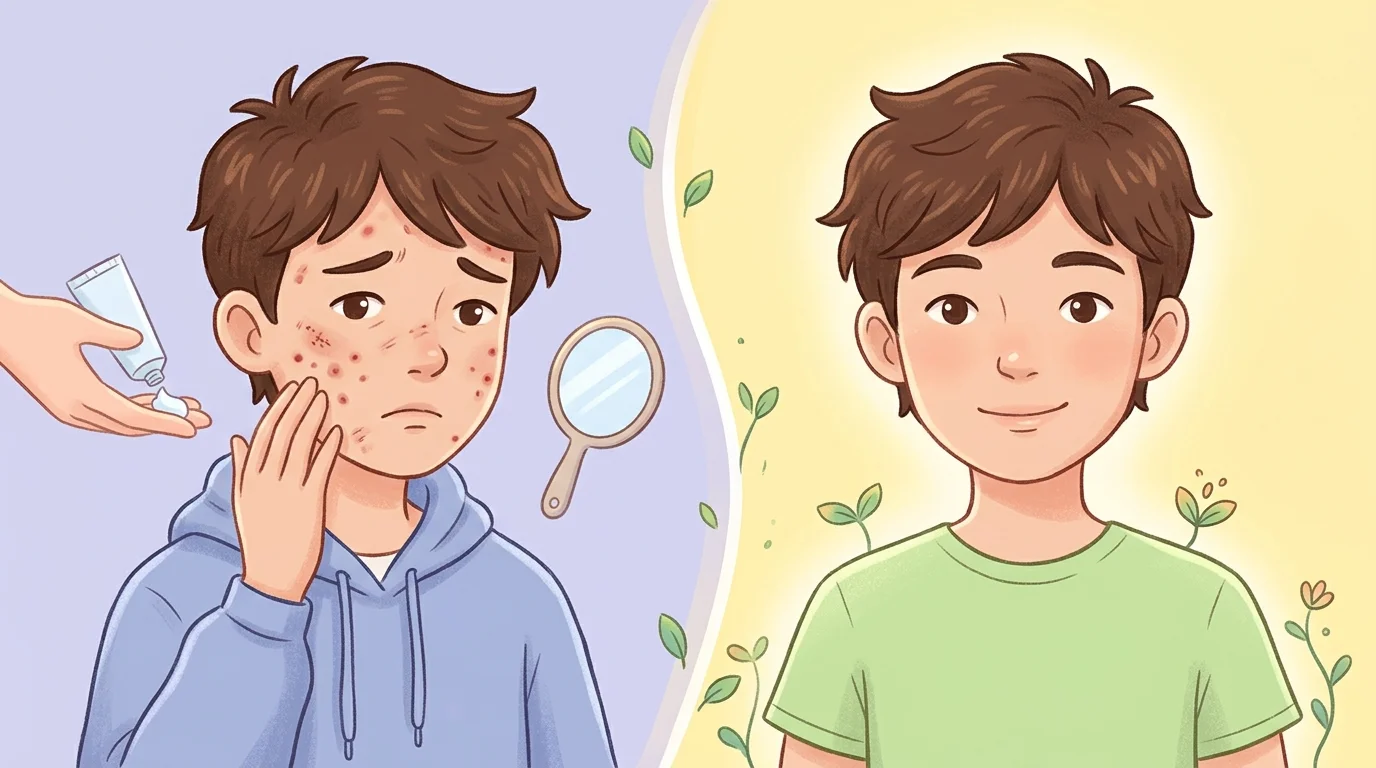
Have you ever stood in front of the mirror and felt really sad about the spots on your face? Many kids and grown-ups have acne, but some deal with a harder kind called acne excoriée. This is more than just regular pimples because it comes with a strong feeling that makes you want to pick at your skin again and again. People also call it picker’s acne or acne excoriée des jeunes filles. It can hurt your skin and make your heart feel heavy with worry or shame. This friendly guide will walk you through everything in a simple way. You will learn what it is, why it happens, how to spot it, and gentle ways to feel better in your skin and in your mind.
What is Acne Excoriée? Definition and Meaning
Acne excoriée happens when someone has small bumps on their skin and cannot stop touching, scratching, or squeezing them. This repeated action turns those little spots into open sores that take longer to heal and often leave marks behind. The name comes from the French language and you say it like ak-nee ex-kor-ee-ay. Doctors sometimes use the full name acne excoriée des jeunes filles or acne excoriée (des jeunes filles) because it often shows up in young people, especially girls.
When you understand this condition, you see it as a mix of skin trouble and strong feelings that are hard to control. It is not just about the bumps you see. The picking becomes part of a loop that feels tough to break. Learning the clear meaning helps you feel less alone and more ready to find kind help that works for your whole self.
Acne Excoriée vs Regular Acne: Key Differences
Regular acne appears when oil and dirt block the tiny openings in your skin and cause red or white spots. These spots usually calm down with gentle washing and simple care. Acne excoriée is not the same because the main problem grows from the habit of picking at even the smallest bumps.
Instead of letting the skin heal on its own, fingers keep making the area worse with scratches and scabs. The big difference comes from the mind because regular acne is mostly about body changes while acne excoriée adds a strong urge that feels like you must touch the skin. This extra part makes the damage deeper and the feelings more difficult. Seeing this difference clearly guides you toward the right kind of care for both your face and your thoughts.

Causes and Risk Factors of Acne Excoriée
Many things can bring on or make acne excoriée stronger. Stress from school or home often leads to more touching of the face. Feelings of worry or thoughts that keep repeating can push the picking habit even further. Changes in hormones during growing up years or monthly cycles can create more bumps that then get picked at.
This condition appears more often in young females and that is why some people use the words acne excoriee de jeune fille. Other reasons include feeling upset about how you look, spending too much time looking in mirrors, or living in places with bright lights that show every spot. Family ways of handling stress and busy days with little rest can also play a part. When you know these causes, you can start to notice your own patterns and choose small changes that help break the cycle gently.
Symptoms and How to Identify Acne Excoriée
The skin tells a clear story when acne excoriée is present. You might see long scratch lines, fresh scabs, and rough patches that look different from normal acne. These signs often show up right on the face in the acne excoriee face area and create an uneven look with different colors.
Along with the skin changes come heavy feelings inside. Many people feel guilty right after picking and then worry about what friends or family might think. This shame can make someone want to stay away from pictures or social times. If these signs feel familiar to you, it is a good time to reach out for understanding support from people who know how to help.
Acne Excoriée ICD-10 Code and Medical Diagnosis
Doctors have a special code called the acne excoriée ICD-10 code that they use in their notes so they can track and treat the condition properly. A skin doctor examines the marks on your face and talks with you about when the picking started and how it feels in your daily life.
This conversation helps them understand if worry or other strong feelings are part of the picture. You do not need to wait until things feel very bad before asking for help. The sooner you speak with a kind doctor, the easier it becomes to make a plan that fits your needs and brings steady improvement.

Acne Excoriée Scars: Types and Long-Term Effects
Repeated picking can create several kinds of scars on the skin. Some scars look like small dents because the deeper layers were hurt. Others feel raised and thick, while many show dark or light spots that change the color of your face. These marks can stay for a long time and make you feel less confident when you look in the mirror.
Because of this, starting gentle care early is very important. When you take good steps soon, you help stop new scars from forming and give the old ones a better chance to fade. Taking care of both the skin and the feelings behind the picking leads to smoother results that last.
Professional Acne Excoriée Treatment Options
Skin doctors have many helpful ways to treat acne excoriée. They may give you special creams that calm redness and fight germs on the skin. Sometimes medicine taken by mouth helps from the inside to make bumps go down. Other choices include soft light treatments or simple procedures that smooth the surface gently.
Each acne excoriee treatment plan is made just for the person sitting in the chair. The doctor watches how your skin responds and changes things if needed. These professional steps work well when you use them together with daily care at home. Over time they reduce the urge to pick because your skin starts to feel and look much better.
Acne Excoriée Treatment Home Remedies and Natural Approaches
At home you can do many safe things to support your healing skin. Wash your face softly with mild soap and lukewarm water twice each day without rubbing hard. Simple things like a little pure aloe or honey can feel soothing if your doctor says they are okay for you.
Keeping the skin moist with gentle creams helps build a strong outer layer that protects against more damage. You can also try keeping your hands busy with drawing, squeezing a soft toy, or taking short walks when the picking feeling comes. These acne excoriée treatment home remedies feel most helpful when you combine them with advice from a doctor. This team approach brings real progress that feels steady and kind to your whole self.

Breaking the Skin Picking Cycle: Psychological Strategies
Your thoughts and habits need caring attention too. One good way is to notice the moment when you want to pick and then choose something else like deep breathing or holding a smooth stone. Being mindful means staying in the present moment and giving yourself a little time before acting on the urge.
Talking with a helper who knows about changing habits can make a big difference. They might teach ways to shift your thinking so the worry feels smaller. Every day you can try simple things such as writing three things you are thankful for or calling a friend when feelings get strong. These small actions slowly weaken the picking cycle and help your mind feel calmer and stronger.
Before and After Acne Excoriée: Realistic Recovery Expectations
Looking at before and after pictures of acne excoriée can give you hope when the change is real. At the start the skin may look red, scratched, and uneven. With steady kind care the face becomes smoother, the color more even, and the urge to pick much weaker.
Healing takes time and depends on how deep the marks were and how well you follow your plan. Some people see less picking after just a few weeks while the scars continue to improve over many months. Every person’s journey is a little different but consistent small steps almost always lead to a brighter look and a happier heart.
Prevention Tips and Long-Term Skin Care for Acne Excoriée
Good prevention means building habits that keep your skin safe and calm. Choose very mild products without strong smells and use them every day. Try to manage stress with enough sleep, simple healthy foods, and short moments of quiet time. Always put on gentle sun protection so healing skin stays safe outside.
Check in with yourself each evening in a kind way to notice what triggers the picking. Over time these steady choices protect your skin from new bumps and help old areas stay healthy. Long-term care becomes a loving routine that supports both your face and your confidence every single day.

Frequently Asked Questions About Acne Excoriée
What does acne excoriée really mean in simple words?
It means a skin condition where the habit of picking turns small spots into bigger sores and scars while feelings of worry make it hard to stop.
How exactly do you pronounce acne excoriée?
You say it as ak-nee ex-kor-ee-ay with a soft ending that comes from the French words.
Why does acne excoriée cause more damage than regular acne?
The constant touching and scratching open the skin and stop it from healing naturally, which adds extra marks and deeper feelings of upset.
Are there safe home ways to help acne excoriée?
Yes, soft washing, moisture creams, and keeping hands busy are helpful, but always check with a doctor so you choose what is best for you.
How long does it usually take to see better skin?
Many notice fewer picking urges in several weeks and smoother skin after a few months when they stay with their care plan.
Can anyone get acne excoriée or is it only for girls?
It happens to many young females but boys and other people can experience it too when stress and skin bumps come together.
Will the scars from acne excoriée go away completely?
Some marks fade a lot with time and care while others become much less noticeable so your skin looks and feels better overall.
When is the right time to get professional help?
Reach out whenever the picking feels too strong to manage alone or when the marks start to affect your daily happiness and confidence.
Conclusion
You now know a lot about acne excoriée and the many gentle paths that lead to better skin. This condition touches both your face and your feelings but it is something you can manage with the right mix of doctor care, simple home steps, and kind thoughts toward yourself. Each small choice you make adds up to real change over time. Be patient and celebrate every bit of progress because you deserve to feel good in your own skin. Many people have walked this same road and found clearer faces and lighter hearts. You can do it too, one kind day at a time. Keep going and know that brighter, happier days are coming for you.
Disclaimer:
This article is for general information and friendly learning only. It is not a substitute for professional medical advice, diagnosis, or treatment. Always talk to a qualified doctor, dermatologist, or healthcare provider about your personal skin concerns and any treatments. Results can vary from person to person, and self-care should be done safely under professional guidance. The information here does not replace personalized care.


 Sufyan amir
 Wild Rise