
 Louis Harris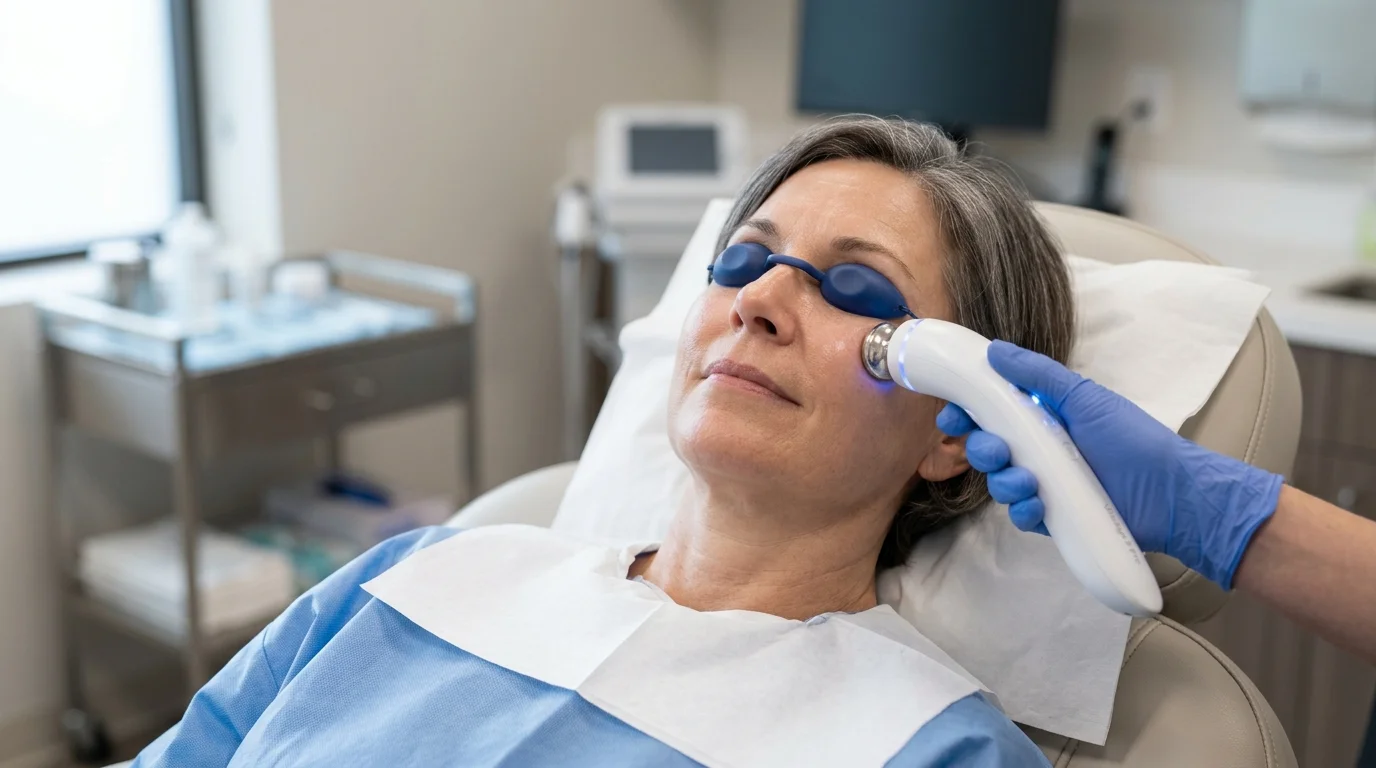
Many people notice their lower lids start to feel loose as the years go by. Blinks may not close fully, and eyes can feel dry or tired. OptiLIFT offers a gentle way to help with both the way the lids work and how they look. This treatment from Lumenis uses a special tool that works on the muscles around the eyes. It helps tone those muscles and can ease dry eye troubles at the same time. In this article you will find clear answers about how it works, what results look like, the cost, real experiences, and more.
What Is OptiLIFT and How Does the OptiLIFT Eye Treatment Work
OptiLIFT is a device made by Lumenis that helps the soft skin and muscles right under the eyes. It uses a method called Dynamic Muscle Stimulation. Soft electrical pulses reach the nerves and make the muscles under the lower lids gently tighten and relax. These are the same muscles that help you blink and keep the lid close to the eye surface.
As people get older, those muscles can lose strength. The lids may sag a little, and blinks become less complete. Tears do not spread as well, and the eyes can dry out. OptiLIFT helps rebuild that lost tone so blinks work better. Many clinics also use a radiofrequency part with it. This adds mild heat that supports the oil glands in the lids and helps the skin feel firmer. The whole process stays on the surface of the skin. Nothing goes inside the eye or cuts the skin.
The Unique Science Behind OptiLIFT That Most Articles Skip
Think about how a weak muscle in your arm feels after long rest. It needs small, repeated moves to grow stronger again. The same idea works for the thin muscles around the eyes. Over time those muscles can lose a bit of their firmness each year. When they grow soft, the lower lid drops slightly away from the eye. Blinks leave small gaps, and tears dry faster.
Dynamic Muscle Stimulation sends soft pulses that make the muscle contract in a steady rhythm. Each session acts like a short workout for that muscle. After several visits the resting tone rises. The lid sits closer to the eye, and each blink spreads tears more evenly. The radiofrequency warmth also helps the oil inside the tiny glands stay softer so it can flow better. This dual action explains why many people feel both more comfort in their eyes and a subtle lift in the lid area. The change comes from the muscle itself rather than from pulling or cutting tissue.
OptiLIFT Procedure: What Actually Happens During Treatment
A typical visit begins with a thin layer of clear gel placed under the eyes. Protective shields cover the eyes for safety. The care team then moves a small handheld tip back and forth along the bony rim under each lower lid. The tip delivers the gentle pulses and, when used, the mild warmth.
Most people feel a soft tapping or light twitch, much like a small muscle moving on its own. The feeling stays comfortable for nearly everyone. Each side takes about seven minutes, so the full session lasts around fourteen to fifteen minutes. The standard plan calls for four visits spaced one to two weeks apart. After the last pulse the gel is wiped away. You can go back to normal activities right away. Makeup, work, and daily plans continue without any pause.
OptiLIFT Before and After Results and Clinical Evidence
Studies and clinic records show clear changes after the full series. Lower lid laxity often drops by about seventy-five percent. Blink quality improves by around seventy percent. Tear breakup time, a measure of how long tears stay on the eye, can rise by more than two hundred eighty percent. Many people also notice the lids look a bit tighter and the under-eye area appears smoother.
Before and after photos from clinics often show a natural firmness rather than a dramatic change. The lids sit closer to the eye surface, and the overall look feels fresher. Results build step by step. Some notice better comfort after the first or second visit. The full effect usually appears a few weeks after the fourth session. Individual results vary based on starting muscle tone and age, yet the measured numbers from the main study remain consistent across the group.
How Long Does OptiLIFT Last and What Maintenance Looks Like
The stronger muscle tone lasts many months for most people. Because aging continues, the lids can slowly loosen again over time. Clinics often suggest a single maintenance visit every three to six months, or a full short series once a year. These touch-up sessions help keep the blink quality and the lifted feel in place. The schedule depends on how your lids respond and on daily habits such as screen time or dry indoor air. With simple follow-up care the benefits stay useful for a long period without the need for constant treatment.

OptiLIFT Cost, Value, and Comparison to Surgical Alternatives
Prices for a full four-session series usually fall between one thousand and three thousand dollars, depending on the clinic and location. Some places list single sessions around three hundred to six hundred fifty dollars. Packages that combine OptiLIFT with other dry-eye care can cost more. Factors such as city, clinic experience, and any added services affect the final number.
Surgery to tighten the lower lids often costs five thousand to eight thousand dollars or higher once all fees are added. That path also brings recovery time, swelling, and the usual risks of an operation. OptiLIFT stays far lower in cost for most people and needs no recovery days. The dual help for both lid function and mild appearance change adds further value. Many find the investment reasonable because daily eye comfort improves and the look of the lids becomes a bit firmer without cutting or stitches.
Real OptiLIFT Reviews, Patient Experiences, and Reddit Perspectives
Clinic feedback and patient stories often praise the comfort of the sessions and the gradual ease of dry-eye feelings. People note that blinks feel more complete and that the eyes stay moist longer during the day. Some mention a subtle lift that makes the under-eye area look less tired. Online talks, including threads on Reddit, show a mix of views. Many share that the treatment helped with incomplete blinks and reduced the need for constant drops. A few note that results felt milder than they hoped or that cost felt high relative to the change they saw. Most agree that realistic hopes matter. The treatment works best for mild to moderate lid looseness rather than severe sagging that may need surgery.
Who Is a Good Candidate for OptiLIFT and Who Should Avoid It
People with lower lid laxity, incomplete blinking, or dry eyes linked to weak lid muscles often do well. Adults of many ages and most skin types can receive the treatment. It suits those who want to avoid surgery and still seek better lid support and comfort.
Anyone with a pacemaker, implanted defibrillator, or metal near the treatment area should skip it. Pregnant people and those with active skin infections in the area also need to wait. A careful eye exam before starting helps confirm whether OptiLIFT fits your needs.

Combining OptiLIFT with Other Treatments for Enhanced Outcomes
Many clinics pair OptiLIFT with other gentle dry-eye tools. The radiofrequency part already supports oil-gland flow, and an optional microneedling upgrade can further smooth the skin surface. Some plans add light-based care or simple lid-cleaning steps on separate days. The order matters. Muscle toning often comes first so that later treatments reach a better-supported lid. The combination can improve both comfort and the look of the eye area more than one method alone. Your care team can map a simple sequence that matches your specific concerns.
Finding OptiLIFT Near Me and What to Ask Before Booking
Search for eye clinics that list Lumenis OptiLIFT or Dynamic Muscle Stimulation for lids. Confirm the office uses the official device and has staff trained on it. During a first visit ask how many sessions they recommend for your lids, what results they typically see, and whether maintenance will be needed. Inquire about the full cost of the series and any package options. Also ask how they measure improvement so you can track changes together. A clear talk about realistic outcomes helps you decide with confidence.
Frequently Asked Questions About OptiLIFT by Lumenis
Does OptiLIFT work for dry eyes caused by poor blinking?
Yes. By strengthening the lower-lid muscles it helps blinks close more fully so tears spread better and last longer on the eye surface.
What does the treatment feel like?
Most people describe a gentle pulse or soft twitch under the eyes. The warmth from the radiofrequency part feels mild and pleasant.
Is there any recovery time?
No. You return to normal activities, including makeup and work, right after the short session.
When do results start to show?
Comfort often improves after the first or second visit. The full firmness and blink quality build across the four sessions and settle in the weeks that follow.
Can OptiLIFT replace eyelid surgery?
It works well for mild to moderate looseness. Severe sagging may still need a surgical talk with a specialist.
How often will I need maintenance?
Many people schedule a single visit every three to six months or a short series once a year to keep the benefits.
Is OptiLIFT safe for all skin tones?
Yes. The technology works on the muscle and does not rely on skin color, so most skin types are suitable.
Can I combine it with other eye treatments?
Yes. Clinics often pair it with gland care or light therapy for stronger overall results.
Final Thoughts on Choosing OptiLIFT for Lower Lid Concerns
OptiLIFT gives a simple path to stronger lower lids and better blinks without surgery or downtime. The muscle-toning approach addresses a root cause of both dry-eye discomfort and mild lid sag. When you talk with a trained eye-care professional you can learn whether this gentle option matches your goals for comfort and appearance. Taking that next step can open the door to clearer, more comfortable days ahead.
Disclaimer:
This article is for general information only and does not replace professional medical advice. Always consult a qualified eye-care provider before starting any treatment. Individual results vary, and no outcome is guaranteed. The content is not intended to diagnose, treat, or cure any condition.



 umhaqa


