 IQnews wire
If your skincare routine feels perfect in winter and completely wrong by June, you are not doing anything unusual. Skin behaves differently when the air is warm and heavy. Oil glands work harder, sweat sits on the surface, and thick creams that once felt comforting suddenly feel like a blanket you cannot take off.
The good news is that hot-weather skincare is usually about doing less, not more. You do not need a ten-step routine. You need four steps that respect what your skin is already trying to do.
Step 1: Cleanse Gently, Twice a Day
In humid weather, the temptation is to scrub. Skin feels sticky by noon, so it seems logical to wash it hard and wash it often. That backfires. Stripping away too much oil sends a signal to your skin to produce even more, and by the evening you are shinier than when you started.
A gentle cleanser used morning and night is enough for most people. Wash once when you wake up to remove overnight oil, and once before bed to clear sweat, sunscreen, and dust. If you feel grimy in the middle of the day, rinse with plain water or blot with a tissue instead of reaching for the face wash a third time.
One small habit that helps: use lukewarm water, not hot. Hot water feels satisfying but leaves skin tight and irritated, which makes the rest of your routine harder.
Step 2: Swap Heavy Creams for Lightweight Hydration
Here is a mistake almost everyone makes in summer: skipping moisturiser entirely because skin already feels oily. Oily is not the same as hydrated. Skin can be slick on the surface and still be short on water underneath, and dehydrated skin often responds by producing more oil.
The fix is not to skip the step but to change the texture. Look for gel creams, lotions, or serums instead of rich balms. Ingredients that work well in warm weather include:
- Hyaluronic acid — pulls water into the skin without any greasy feeling
- Niacinamide (Vitamin B3) — helps with oil control and evens out tone over time
- Zinc PCA — useful if you tend to break out when it gets humid
Apply while your face is still slightly damp from cleansing. Hydrating ingredients work better when there is moisture to lock in.
Step 3: Protect Your Skin From the Sun — Every Single Day
This is the step people skip most often, and it is the one that matters most. Sun exposure is the main reason skin develops dark spots, uneven tone, and early fine lines. All the brightening serums in the world cannot outrun daily unprotected sun.
If you find traditional sunscreen too thick or white-casting, a tinted formula with built-in SPF is a practical compromise. Products like the Flawless Glow BB Cream with SPF30+ combine light coverage with sun protection, which means one product instead of two — and one less layer sitting on your face in the heat.
A few reminders that make sunscreen actually work:
- Apply about half a teaspoon for the face and neck. Most people use far too little.
- Reapply if you are outdoors for long stretches or sweating heavily.
- Wear it on cloudy days too. Clouds do not block UV.
Step 4: Add One Treatment — Not Five
Once the basics are in place, you can add a single targeted product for whatever bothers you most. The key word is single. Layering four active ingredients in humid weather is the fastest route to a red, stinging face.
Pick one concern and stick with it for at least six to eight weeks:
- Dullness or dark spots → a Vitamin C serum or cream in the morning
- Breakouts → a salicylic-based product a few nights a week
- Rough texture → a mild AHA exfoliant, once or twice weekly at most
Brands that focus on lightweight, results-driven formulas are worth exploring here. Petals Beauty, for example, organises its range by skin type and by skin concern rather than by product type, which makes it far easier to land on one suitable item instead of guessing between ten. If brightening is your main goal, that means starting from the concern — dullness, or dark spots — and working backwards to a single product.
Introduce anything new slowly. Use it twice in the first week, then build up. If your skin stings, flakes, or turns red, pull back rather than pushing through.
What to Leave Out in Warm Weather
Just as important as what you add:
- Heavy face oils. Save them for cooler months or use only on dry patches.
- Multiple exfoliants at once. Physical scrub plus chemical exfoliant is too much.
- Long, hot showers. They feel great and leave skin parched.
- Constantly switching products. Your skin needs consistency to show results.
A Realistic Weekly Rhythm
If you like structure, here is a simple version:
| Time | What to do |
|---|---|
| Every morning | Cleanse → lightweight hydration → SPF |
| Every night | Cleanse → hydration (add treatment on chosen nights) |
| 1–2 nights a week | Gentle exfoliation or a treatment product, not both |
| Anytime | Blot, don’t rewash |
That is genuinely it. Four steps, a handful of products, and a bit of patience.
The Part Nobody Wants to Hear
Skincare works on a timeline that has nothing to do with how quickly we want results. Hydration shows up in a few days. Texture takes a few weeks. Dark spots and tone changes take two to three months of consistent use, plus daily sun protection, or they simply come back.
So the most useful thing you can do this season is not buying another product. It is picking a small routine you will actually repeat on the nights you are tired, and giving it enough time to prove itself.
Your skin is not a project to be fixed. It is something you look after, gently, on ordinary days.
Note: Everyone’s skin is different. If you have a persistent skin condition, ongoing irritation, or a reaction to a product, it is worth speaking to a dermatologist rather than experimenting further.
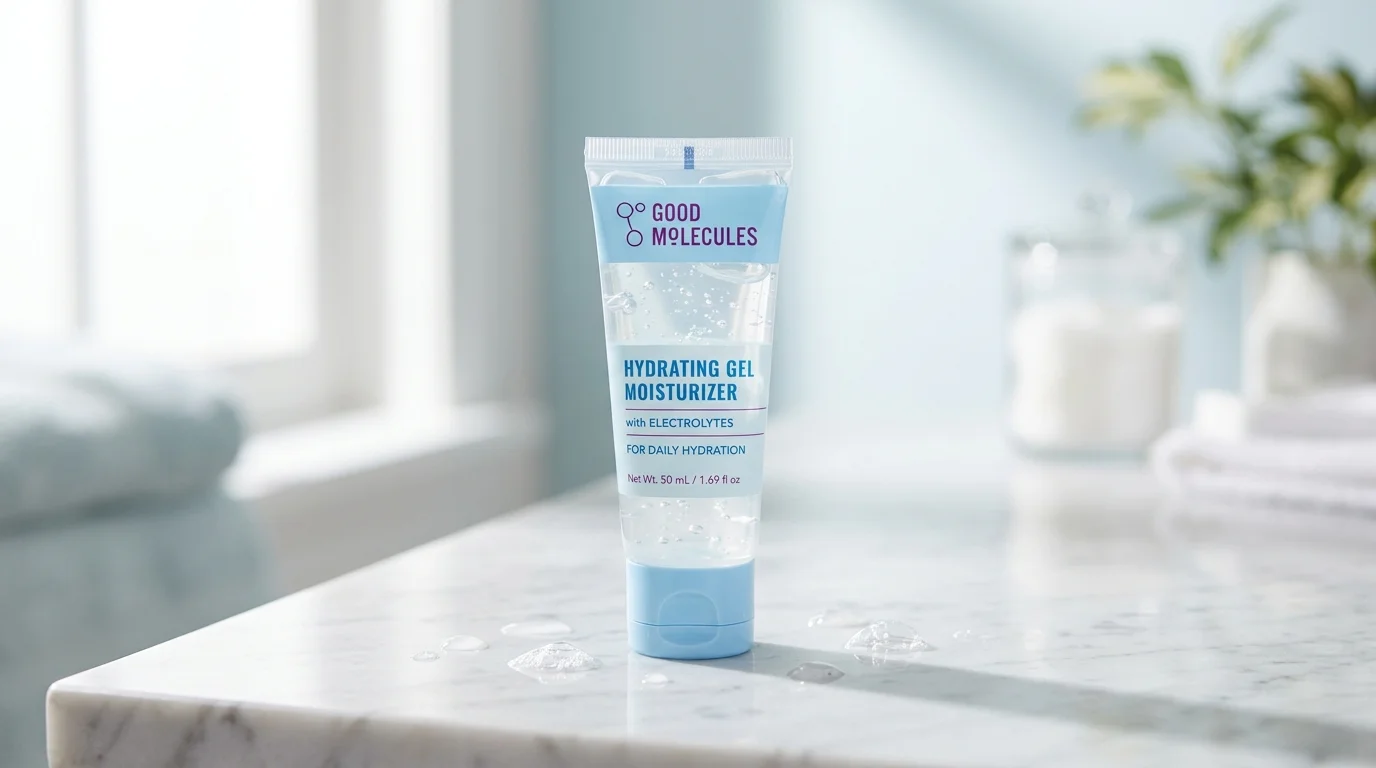
READ ALSO: Good Molecules Hydrating Gel Moisturizer with Electrolytes – Lightweight Hydration for Oily Skin


 Louis Harris