
 Louis Harris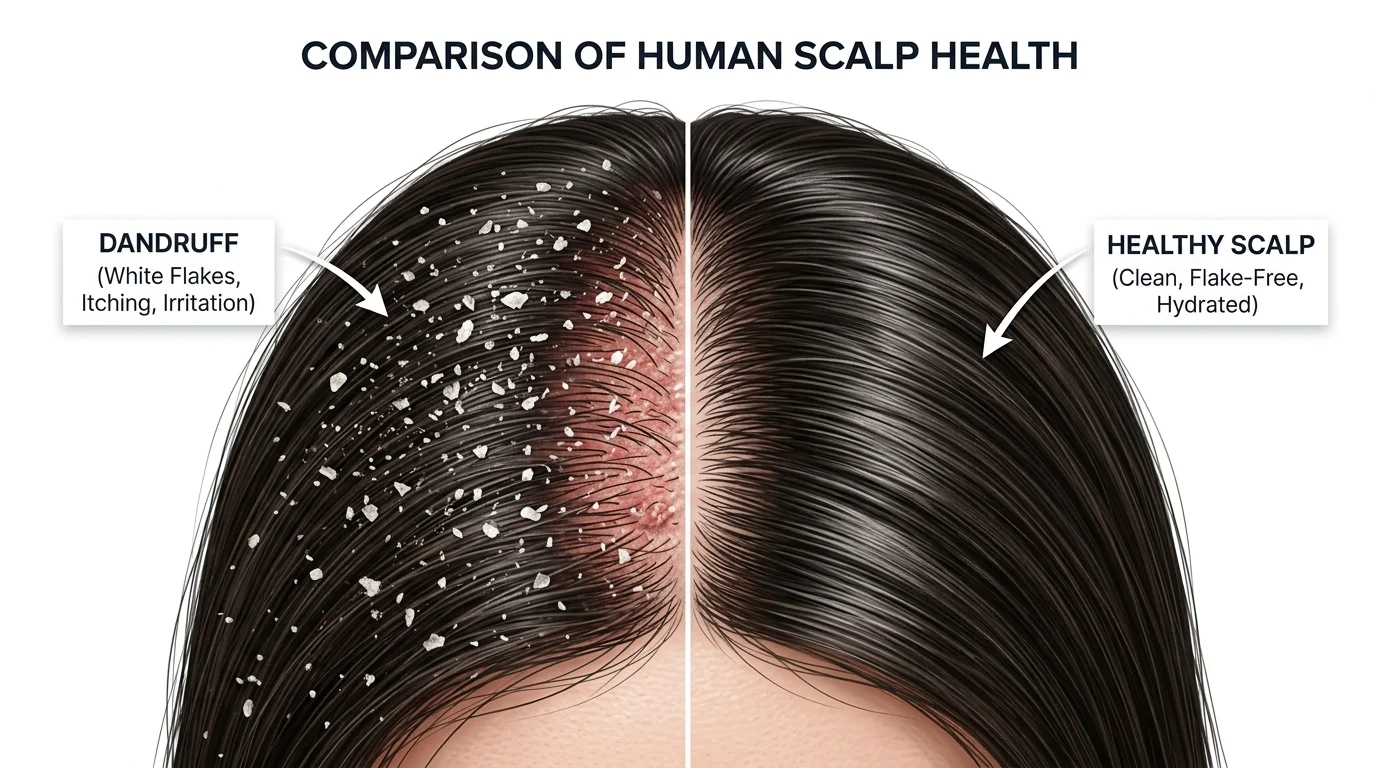
Can Dandruff Cause Alopecia? Many people see white flakes on their shoulders. They worry. They think their scalp problem might make their hair fall out. This fear feels big. But the truth is kinder than you expect. Dandruff does not usually cause permanent hair loss. It can lead to some extra shedding from irritation. This guide will help you understand dandruff and alopecia. You will learn simple ways to care for your scalp. Your hair can stay healthy with good habits.
Understanding Dandruff: What It Really Is
Dandruff is when your scalp sheds small skin pieces too fast. These pieces look like white or yellow flakes. They fall on your clothes. A tiny fungus called Malassezia lives on most scalps. It eats the oil your skin makes. When too much fungus grows, your scalp itches. More flakes appear.
Dry skin can cause it too. Too much oil is another reason. Cold weather makes it worse for some people. Stress changes your body and adds to the problem. Lots of people get dandruff at some time in life. It feels normal. But you can take care of it. Wash your scalp gently. Pay attention to how it feels. This helps stop small issues from growing. Your head will feel more comfortable every day.
Think of your scalp like a garden. If you water it wrong, weeds grow. The same happens with dandruff. Good care keeps the garden clean and happy.

What Is Alopecia? Types and How It Differs from Regular Hair Shedding
Alopecia is hair loss that is more than normal. Every day, people lose some hairs. Old hairs fall out. New ones grow in. This is regular shedding. It is part of life. Alopecia is different. The loss can happen in patches. It can cover bigger areas.
One type is alopecia areata. The body attacks its own hair roots by mistake. Smooth bald spots appear. They can surprise you. Another type is pattern hair loss. It runs in families. The hairline moves back. Or the top gets thinner over time.
The big difference is the reason. Normal shedding is natural. Alopecia has other causes. Knowing this helps you see what is happening. Simple care works for some cases. Other cases need more help. Talk to a doctor if you feel worried. This knowledge gives you power.

The Direct Link: Can Dandruff Cause Alopecia?
People often ask this. Can dandruff cause alopecia? The answer is clear. Dandruff does not usually cause permanent alopecia. It does not destroy hair roots forever. But it can cause temporary shedding. Your scalp itches a lot. You scratch it. This hurts the roots. Some hairs fall out early.
Inflammation makes the area angry. Hair roots do not like this. They get weaker for a short time. When you calm the dandruff, the scalp heals. Most hair grows back. This link is important. Treat flakes early. Your hair stays fuller. Do not wait for big problems. Small steps now save trouble later.
The Role of Seborrheic Dermatitis and Severe Scalp Inflammation
Mild dandruff can become stronger. Doctors call this seborrheic dermatitis. The skin gets red. It feels more sore. Extra oil and fungus keep the problem going. This affects hair roots deeper.
Long-term inflammation slows hair growth. Hairs get thin. They fall out more. Oxidative stress adds damage. It is like rust on a tool. The body makes natural stress that hurts cells. Watch for these signs. Act early. Your scalp finds balance again. Good care stops the cycle.
Can Dandruff Trigger or Worsen Alopecia Areata?
Flakes and bald patches can show up together. People wonder if one starts the other. Dandruff does not directly start alopecia areata. But they can happen at the same time. The itch from dandruff adds stress to the scalp. This makes patches feel worse for some people.
Treating the flakes helps comfort. It can support faster healing in spots. Look at the whole picture. Do not blame one thing only. This view brings calm. You focus on helpful actions instead of fear.

Unique Factors Most People Miss: Microbiome, Stress, and Lifestyle Connections
Your scalp has a tiny world of microbes. Good ones and some tricky ones live there. They keep balance. When this world gets messy, dandruff grows. Shedding increases. Friendly helpers lose power. Bad ones cause more itch.
New ideas in 2026 show how daily life affects this. Stress is a big player. It weakens your defenses. Dandruff gets worse. Hair sheds more. It makes a circle. Break it with simple choices. Eat foods with good nutrients. Fruits and vegetables help. Get enough sleep. Use gentle hair products. These steps support the tiny world on your scalp. Many people miss this. But it makes a huge difference.
Think of the microbiome like a team of friends. When the team works well, your scalp stays strong. When it fights, problems start. Help your team every day.
Symptoms to Watch For: Dandruff vs. True Hair Loss Warning Signs
Learn what your scalp says. Simple dandruff brings flakes and mild itch. The skin might feel greasy. But no big bald spots. True hair loss shows different signs. Smooth round patches appear. Hair thins suddenly in places. Clumps come out when you brush.
Watch for red flags. Pain, pus, or swelling means see help fast. Loss that keeps growing after treatment needs a doctor. These differences guide you. You act smart. You avoid worry about normal changes. Good care fixes many small issues.
Prevention and Daily Scalp Care Strategies That Actually Work
Care for your scalp each day. It is like building a strong house for your hair. Wash gently a few times a week. Use mild products for your hair type. Hot water dries the skin. It brings flakes back. Use warm water instead.
Massage your scalp softly with clean fingers. This brings good blood flow. It keeps balance. Wear hats that let air through. Change pillowcases often. This cuts buildup. Manage stress with walks. Try calm breathing. These habits protect against bad cycles. Dandruff and shedding stay low. Routines feel easy after a short time. Stick with them. You will see good changes.

Treatment Options: From Home Remedies to Professional Care
Many kind options help dandruff and hair. Buy shampoos from the store. They have good ingredients. They calm fungus and cut flakes. Use them the right way. Natural ideas work for some. Rinse with a little apple cider vinegar in water. Try small amounts of coconut oil. These soothe sensitive skin.
Do the same thing every week. Consistency wins. Hair needs time to grow back. For tough cases, doctors give stronger help. These target swelling. Combine scalp care with patience. Many people improve this way. No need for harsh things. Gentle steps work best over time.
When to See a Dermatologist and What to Expect
Home care does not help after weeks. Or you see bald patches. Then visit a dermatologist. This skin doctor checks your scalp closely. They may test a few hairs. Or look at small skin samples. This shows the full story.
They rule out other causes. They make a plan just for you. Early visits bring fast comfort. Your hair health gets better for the long run. People feel happy after the visit. They get clear steps. Kind words help too. You leave ready to care well.

Conclusion: Taking Control of Your Scalp and Hair Health
You now know the link between dandruff and alopecia. Fear goes away. Helpful facts take its place. Care for your scalp gently every day. Watch for changes. Ask for help when needed. Small good choices build strong hair. Start with one easy idea today. Feel proud of your efforts. Your scalp and hair can feel great. Enjoy the confidence. You are in control now. Keep going with kind care. Beautiful results come with time.
FAQ
Does everyone with dandruff lose hair?
No. Most people with dandruff keep all their hair. Only bad itch and scratching cause short-term extra loss.
Can changing my diet help reduce flakes and shedding?
Yes. Good foods like fruits and vegetables support your scalp. They lower swelling that hurts hair.
Is alopecia areata contagious like some scalp issues?
No. Alopecia areata does not spread. It starts inside the body. It is not from germs.
How long does it take for hair to grow back after dandruff calms?
Hair often starts to come back in a few months. The scalp must feel good first. Each person is different.
Are there gentle products safe for kids with flaky scalps?
Yes. Mild baby shampoos work well. Soft care is best. Ask a doctor to be sure.
Can hair products make dandruff worse?
Yes. Heavy products or strong smells build up. They irritate skin. Switch to light ones.
Does washing hair every day cause more flakes?
It can for some. Daily wash takes away good oils. Others need it for oil control. Find what fits you.
What if my dandruff comes back after treatment?
It happens. Seasons or stress bring it back. Keep simple habits. This controls it long term.
Disclaimer
This article is for information and friendly education only. It does not replace advice from a qualified doctor or dermatologist. Always talk to a healthcare professional for personal medical concerns, diagnosis, or treatment plans. Results can vary, and what works for one person may differ for another.


 Wild Rise