 Louis Harris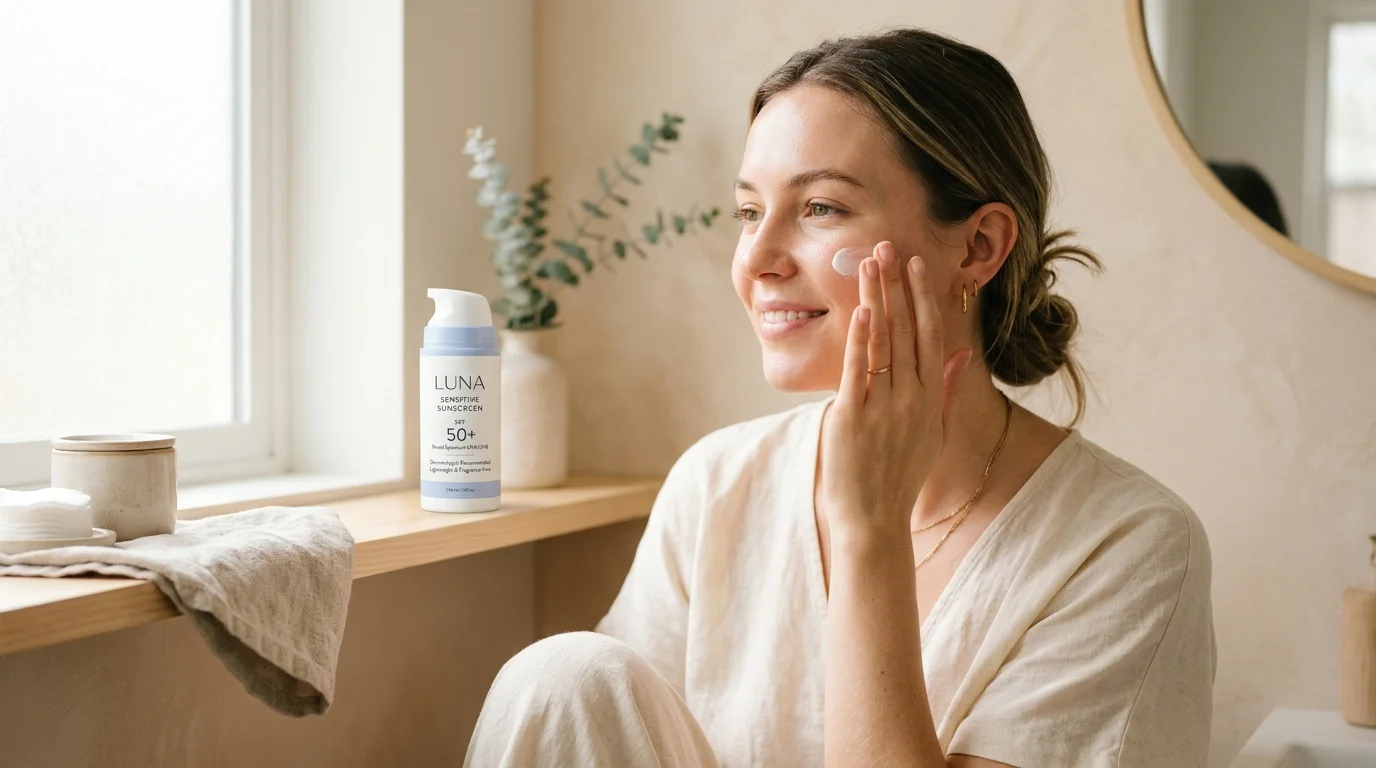
Caring for sensitive skin can feel hard sometimes. The sun sends strong rays that can make skin red or sore. In 2026, a good dermatologist-recommended sunscreen for sensitive skin helps a lot. It stops the bad rays and keeps skin calm. New formulas feel light and gentle. They fix old problems like sticky feelings or white marks. This guide will help you like a kind friend. It shows easy ways to pick and use the right sunscreen. Your skin can stay happy and safe every day.
Understanding Sensitive Skin and Sunscreen Needs
Sensitive skin gets upset easily. It may turn red, feel hot, or get little bumps. Things like wind, soap, or strong sun can cause this. The skin barrier is not as strong as it could be. Sun rays called UVA and UVB go deep and make problems worse. They can cause dry skin or early lines.
Dermatologists know what works best. They like sunscreens that stay on top of the skin. These give protection right away. They do not sink in and cause trouble. In 2026, many new sunscreens have calm helpers inside. These make skin feel soft. Daily use gets easier for kids, adults, and busy people. You can protect your skin without worry.

Key Differences Between Mineral and Chemical Sunscreens for Sensitive Skin
Mineral sunscreens use zinc oxide or titanium dioxide. These minerals make a soft shield. They reflect sun rays away before harm starts. Dermatologists pick them often for sensitive skin. Protection begins as soon as you put it on. Reactions happen less.
Chemical sunscreens work in a different way. They take in the rays and turn them to heat. This can feel light at first. But some people get stinging or redness. In 2026, a new ingredient called bemotrizinol helps chemical sunscreens. It makes them more stable and gentle. Yet mineral ones stay the top choice for very sensitive skin.
New mineral sunscreens now blend better. They have finer particles. This means less white look on your face. You get comfort and strong protection together. Pick what feels right for your skin.
Ingredients to Look For and Those to Avoid
Good sunscreens have helpful parts. Look for niacinamide. It calms red spots. Hyaluronic acid brings moisture. Ceramides make the skin barrier stronger. Zinc oxide gives broad help and soothes at the same time. These things keep skin happy.
Stay away from bad ones. Fragrances can sting. Oxybenzone and octinoxate may cause other issues. Alcohol dries skin too much. Read the label every time. It takes one minute. Words like fragrance-free and hypoallergenic help you choose well. This step stops unhappy skin days.

Top Dermatologist-Recommended Sunscreens for Sensitive Skin in 2026
Many fine choices exist now. La Roche-Posay Anthelios works great for faces and bodies. It spreads easily and feels light. People say it protects well without grease.
EltaMD UV Clear is a favorite for faces. It has hyaluronic acid for moisture. It suits skin that breaks out easily. Aveeno Baby Mineral Sunscreen is gentle for everyone. Kids and grown-ups like its simple care.
Blue Lizard Sensitive Mineral Sunscreen stays on during play or work. Eucerin formulas give good value for big areas. Tinted ones match skin tones and hide white marks. Hybrid options mix good parts from both types. They feel smooth and protect strongly.
Each product has special strengths. Test a small bit first. Find the one that fits your days best. In 2026, these options make sun care simple and kind.

How to Choose the Right Sunscreen Based on Your Lifestyle and Skin Concerns
Your life and skin decide the best pick. Acne skin needs non-comedogenic types. These do not block pores. Dry skin likes added butters or glycerin. They stop tight feelings.
Rosacea skin feels better with calm minerals. Green tints can balance color. Darker skin tones use tinted versions. They blend even and look natural.
Parents with kids want water-resistant ones. These hold up during swims. Pregnant people choose pure mineral formulas. Office workers pick light creams. These go under makeup nicely.
Outdoor jobs need strong sticks for quick touch-ups. Think about your routine. A face product that layers well saves time. Match the sunscreen to your needs. Then you use it gladly every day.
Application Tips and Best Practices for Maximum Protection
Good use brings full help. Use a full teaspoon on your face. Add more for arms, legs, and back. Cover every spot evenly. Put it on 15 to 30 minutes before going out. This gives time to set.
Reapply every two hours. Do it sooner after water or sweat. A small stick in your bag makes this easy. Wear hats and UPF clothes too. Find shade when the sun is strongest.
Common mistakes happen when people use too little. Ears and necks get missed often. Set a phone reminder. These habits stop early aging and other skin problems. Small steps every day add big safety.

Common Myths and Misconceptions About Sunscreen for Sensitive Skin
Some think higher SPF is always much better. SPF 30 already blocks most rays if you use enough. Higher numbers add only a bit more.
Others believe mineral sunscreens always leave white film. New 2026 formulas with fine particles fix this for many skin tones.
People worry sunscreen stops all vitamin D. Short safe sun time plus food keeps levels good. Not every natural product is safer. Some plants still irritate.
Facts from recent studies clear these ideas. You can protect skin with smart choices and no extra fear.
Integrating Sunscreen Into Your Daily Skincare Routine
Morning steps are easy to learn. Clean your face first. Add serums or creams next. Finish with sunscreen before makeup. This order lets each part work best.
Carry a small tube for the day. Reapply as needed. Keep sunscreen cool and check the date. Old ones lose power.
Patch test new ones on your arm. Wait a day to see. Soon the habit feels normal like washing your face. Pretty reminders on the table help too. Your skin will look fresh and strong.
When to Consult a Dermatologist and Additional Sun Protection Strategies
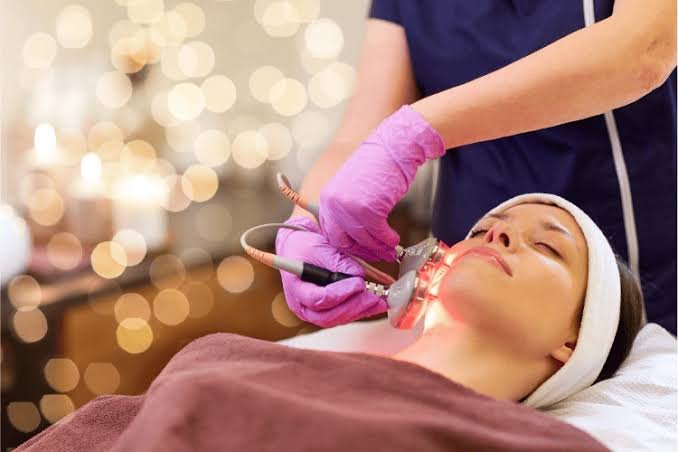
See a doctor if skin stays red or itchy. They can test products and find perfect matches. Special formulas help conditions like eczema.
Add more help beyond sunscreen. Use UPF shirts and big hats. Eat foods with good helpers like antioxidants. New 2026 tools include sun reminder bands.
These steps work with your dermatologist-recommended sunscreen for sensitive skin. Together they keep you safe all year.
FAQ
What makes sunscreen good for sensitive skin in 2026?
New ones use mineral bases and calm parts like ceramides. They give full protection and feel light on skin.
Can one sunscreen work for face and body?
Many do both jobs. Face ones often feel softer under makeup. Check what your skin needs most.
How often do I reapply on a normal day?
Every two hours outside. Add more after water or sweat. Sticks make it quick.
Do tinted sunscreens suit sensitive skin?
Yes. Many mineral tinted ones calm redness and match tones. They hide white marks well.
Is mineral sunscreen best for kids?
Mineral types usually cause fewer problems. They sit on top and protect gently. Pick child-safe labels.
What if sunscreen stings my skin?
Wash it off softly. Try pure zinc next time. A dermatologist can help find the right one fast.
Does sunscreen lose power when old?
Yes. Check dates and buy fresh each season. Fresh bottles protect best.
How does sunscreen fit with other skin steps?
Use it last in the morning. Lighter products go first. This helps everything work smoothly.
Conclusion and Final Recommendations
Taking care of sensitive skin with smart protection feels good. A dermatologist-recommended sunscreen for sensitive skin that fits your life gives gentle strength every day. Use the simple ideas about good parts, how to put it on, and daily habits. You will see how kind sun care can be.
Start with small steps. Stay with them. Enjoy the healthy skin that comes from wise choices. In 2026, great options wait for you. Your skin will thank you for many years. Feel confident in the sun.
Disclaimer:
This article is for general information and friendly guidance only. It is not medical advice. Always talk to your dermatologist or healthcare provider before starting new skincare products, especially if you have skin conditions or concerns. Results can vary by person. Check current product labels and consult official sources for the latest safety details. This helps keep you safe while enjoying all the benefits of good sun protection.
Explore More :
Best Hydrogel Under Eye Patches for Dark Circles and Puffiness in 2026
Best Glycolic Acid Body Cream for Smooth, Glowing Skin in 2026
Best Face Dark Spot Remover in 2026: Top Creams That Really Work