 Louis Harris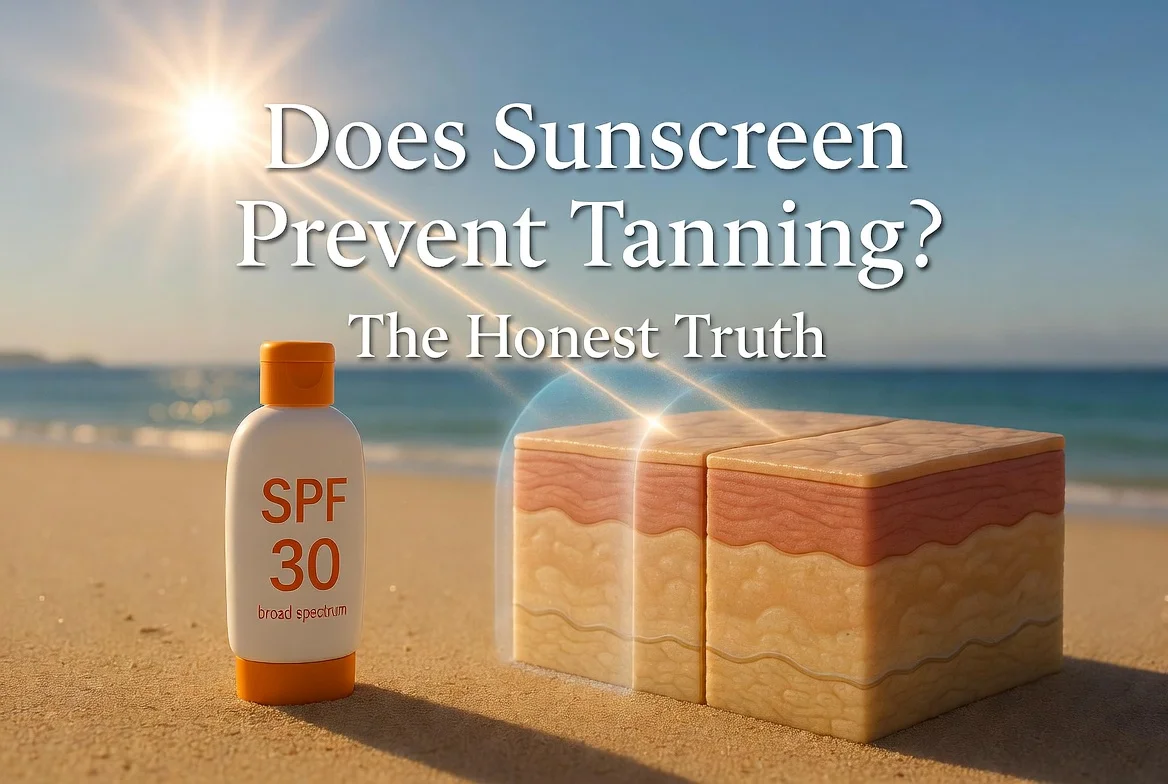
Many people wonder about sun protection and how it affects their skin color. The big question is, does sunscreen prevent tanning? This topic confuses lots of friends and family because they see different stories online and from people around them. Some think sunscreen stops all color changes from the sun. Others believe it only helps with painful burns. In this friendly chat, we will look at the real story based on clear facts from doctors. We will use easy words to explain everything step by step so you feel sure about caring for your skin.
How Tanning Actually Works
Your skin has a smart way to respond when the sun shines on it. Tiny parts deep in the skin sense the sun’s special rays called UV rays. These rays can cause small damage, so the skin makes more of a dark color called melanin. This melanin acts like a natural shield to help protect deeper parts of the skin.
The sun sends two main kinds of UV rays. UVB rays mostly hit the top layer and often cause burns that turn red and hurt. UVA rays go deeper and are big helpers in making the skin darker over time. When these rays touch your skin, special cells start working harder to create melanin. This process gives that sun-kissed look many people like. But every time this happens, it shows the skin has met some damage. Over time, too much of this can lead to early wrinkles or other skin troubles. That is why understanding this helps us make kind choices for our skin every day.
The Science Behind Sunscreen and Tanning
Sunscreen works like a helpful filter for your skin. It either absorbs the UV rays or sends them away before they cause too much harm. The SPF number tells you how well it guards against UVB rays that lead to burns. For example, a good broad-spectrum sunscreen also works on UVA rays that cause most of the darkening.
So, does sunscreen prevent tanning? It reduces how many UV rays reach your skin, which means it slows down the making of melanin. But it does not create a full wall that stops every single ray. This difference between blocking most rays and reducing them is important. Science shows that even strong sunscreens let a little bit of UV through, so some color change can still happen if you spend time outside.

Does Sunscreen Prevent Tanning Completely?
Many ask if sunscreen can stop tanning all the way. The honest answer is no, it does not prevent tanning completely. Even when you put it on right, a small amount of UV rays still gets to the skin. This little bit can slowly trigger melanin over hours or days outside.
Most people notice some gentle color after time in the sun with sunscreen because real life means we move, sweat, and sometimes miss spots. The good news is that proper use makes any color change much slower and safer than without it. This means you can enjoy outdoor fun while giving your skin better care.
Does Sunscreen Prevent Tanning or Just Burning?
Here is a key point that helps clear up confusion. Sunscreen does much more than just stop burning. It protects against both burns from UVB and deeper changes from UVA. But does sunscreen prevent tanning or just burning? It helps with both, yet tanning can still show up because no sunscreen blocks every ray perfectly.
Burns happen faster and feel painful right away. Tanning develops more quietly as a sign of the skin’s response. Good sunscreen lowers the chance of both, but the main job is to cut down harm so your skin stays healthier longer. Doctors remind us that any tan, even a light one, means some UV got through and caused a reaction.
How Much Does Sunscreen Prevent Tanning?
Numbers help paint a clear picture. SPF 30 blocks about 97 percent of UVB rays. SPF 50 blocks around 98 percent. This means only a small part gets through, so tanning happens much more slowly.
How much does sunscreen prevent tanning or reduce it? It reduces it a lot when used well. You might see less dark color after the same time outside compared to no protection. But because of that few percent left and how people apply it, some tanning still occurs. Think of it like a good raincoat that keeps most water out but not every drop in a big storm. Proper thick layers and fresh coats every two hours make the protection even stronger.

Does Sunscreen Prevent Tanning on the Face?
Faces need extra gentle care because the skin there is thinner and shows changes faster. Does sunscreen prevent tanning on face areas? It helps a lot, but many people forget to use enough or skip reapplying near eyes and forehead.
Common mistakes include using too little cream or choosing ones that feel heavy and get skipped. Pick light formulas made for faces and pat them on softly every morning and again later. This helps keep your face looking even and protected without big color shifts.
Does Sunscreen Prevent Tanning in Black Skin?
Every skin tone deserves kind protection. People with darker skin have more natural melanin, which gives some built-in help against UV rays. Still, does sunscreen prevent tanning in black skin? It reduces extra darkening and protects from other sun troubles like dark spots or dryness.
Darker skin can still tan or get uneven color from sun. Sunscreen adds a helpful layer so the skin stays smooth and healthy. Choose formulas that blend nicely without leaving white marks, and use them daily for the best care. Everyone’s skin feels happier with this extra love.
Does Sunscreen Prevent Tanning or Slow It Down?
This is a great question that comes up often. Sunscreen does not stop tanning entirely in most cases. Instead, it slows it down nicely. Does sunscreen prevent tanning or slow it down? It mainly slows the process and makes it lighter when it does happen.
Your skin gets less UV at once, so melanin builds up more gently over many days instead of quickly. This slower pace means less overall damage and more time to enjoy the outdoors safely.

Expert and Medical Sources
Doctors from trusted places like the Cleveland Clinic explain it clearly. They say you can still tan with sunscreen because it never blocks all light. But the protection slows damage and keeps skin safer. Dermatology experts agree that broad-spectrum choices with SPF 30 or higher give the best everyday help.
These sources teach us that tanning is always a sign of some reaction to UV, even if mild. Following their simple advice helps families stay healthy and happy in the sun for years.
What Real People Say: Reddit Discussions
On places like Reddit, many share their true stories. Does sunscreen prevent tanning reddit users ask? People often say they notice slower or lighter color changes when they use it right. Some mention that forgetting to reapply leads to more tanning than expected.
Others talk about how their skin feels softer and has fewer dark spots after making sunscreen a daily habit. These real talks show that while perfect no-tan results are rare, better habits bring real wins for skin comfort and look.
Common Myths and Mistakes
One big myth is that sunscreen means zero color change at all. Another is thinking higher SPF numbers give perfect blocking. In truth, even strong ones let tiny amounts through, and thick, even application matters most.
Many forget reapplying after swimming or sweating. Some skip the neck or ears too. These small mistakes add up, so learning easy fixes like setting phone reminders helps everyone do better without stress.

Best Practices for Sunscreen Use
Start your day by putting on a good broad-spectrum sunscreen with SPF 30 or higher. Use enough to cover all skin that will see the sun. Wait a few minutes before going outside so it can settle nicely.
Reapply every two hours or right after getting wet. Wear hats and light clothes for extra help on bright days. Choose ones you like the feel of so you keep using them happily. These steps make sun time feel safe and fun.
When You Still Tan With Sunscreen
Even careful people sometimes see some color. Does sunscreen prevent tanning spf 30 still tan? Yes, it can happen because life includes longer days outside or spots missed. This does not mean the sunscreen failed completely. It just shows that some rays got through over time.
Any tan reminds us to check our habits and keep protecting. It also means paying attention to skin health with regular doctor visits if needed. The important part is that protection still cuts down big risks.
Skin Darkening vs Tanning: Key Differences
Tanning usually comes from steady sun and melanin making a even glow. Skin darkening can mean other changes like spots from sun or hormones. Does sunscreen prevent tanning or skin darkening? It helps lower both by cutting UV that triggers them.
Knowing the difference helps you notice what your skin is saying and choose care that fits. Gentle daily habits keep everything looking fresh and even.

FAQ
Why do some people tan faster even with sunscreen?
Skin types differ, and how much time spent in sun plus application amount play big roles. Always use enough and reapply.
Can kids use the same rules?
Yes, but pick gentle kid-friendly kinds and teach them fun ways to apply it together.
Does cloudy weather mean no need for sunscreen?
No, UV rays still come through, so keep protecting.
What about self-tanners for color without sun?
They give a nice look safely without UV harm. Pair them with daily sunscreen.
Is one daily layer enough?
No, fresh layers through the day keep protection strong.
How does sunscreen affect vitamin D?
Short safe sun time plus good food usually keeps levels fine, but talk to a doctor for your needs.
Do expensive sunscreens work better?
Not always. Look for broad-spectrum and ones you will use happily.
What if my skin feels sticky?
Try different light textures until you find favorites that feel good.
Conclusion and Final Takeaways
The honest truth about does sunscreen prevent tanning is that it reduces and slows it nicely but does not stop every bit of color change. This protection still gives your skin wonderful help against burns, spots, and bigger troubles later.
By using it every day with kind habits, you care for your skin like a good friend. Enjoy time outside with confidence, knowing you make smart choices. Your future self will thank you for this gentle care that keeps skin happy and glowing in healthy ways.
Disclaimer
This article shares general friendly information based on common knowledge and expert views. It is not personal medical advice. Please talk with your doctor or skin expert for choices that fit your own skin and health.


 Wild Rise