 Louis Harris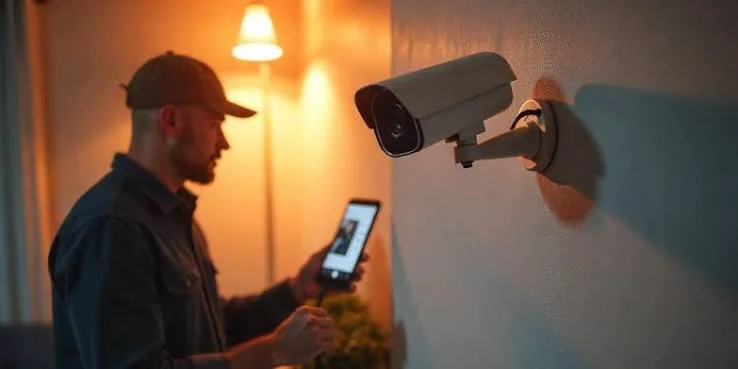
Protecting your home has never been more important. Whether you live in a quiet suburb or a busy neighborhood, a well-planned CCTV system can provide reliable protection and the peace of mind every homeowner deserves. The key is choosing a setup that actually fits your needs—not just the most expensive option on the shelf.
Understanding Your Home Security Requirements
Before you browse cameras or compare brands, start with a walk around your property. Look at it from the outside. Where are the blind spots? Which entry points—front door, side gate, garage, ground-floor windows—feel most exposed?
The size and layout of your property will largely determine how many cameras you need and where they should go. A compact townhouse has very different requirements from a sprawling single-story home with a large backyard. Take notes, sketch a rough layout, and let that guide your decisions rather than guessing.
Types of CCTV Systems for Home Security
There are three main system types to choose from:
- Wired systems draw power directly through cables, making them highly reliable with no risk of battery failure. They’re best suited for permanent installations where you don’t mind a more involved setup process.
- Wireless systems are easier to install and offer flexible camera placement—ideal if you’re renting or prefer a DIY approach.
- Hybrid systems combine both, letting you use wired cameras in fixed locations while adding wireless units where running cables isn’t practical.
Each has its trade-offs, so think about your property’s layout and how permanent you want the installation to be.
Key Features to Look For
Once you’ve settled on a system type, these are the features that matter most:
- Resolution: Aim for at least 1080p. Higher resolution means clearer footage—critical if you ever need to identify a face or a license plate.
- Night vision: Most incidents happen after dark. Make sure your cameras offer infrared or color night vision for reliable round-the-clock monitoring.
- Storage options: Cloud storage gives you remote access to footage from anywhere but comes with monthly fees. Local storage (via an SD card or NVR) is a one-time cost, though it requires on-site access.
- Mobile app access: Being able to check your home security feed from your phone adds a significant layer of convenience and control.
- Motion detection and alerts: Smart motion detection reduces false alarms by distinguishing between people, animals, and passing cars.
Budget Considerations
CCTV systems are available across a wide price range:
- Entry-level setups start around $300–$500 and typically include basic resolution and limited storage.
- Mid-range systems run from $500–$1,500 and offer better image quality, smarter detection, and more flexible storage.
- Premium setups cost $1,500 or more and include advanced AI features, higher resolution, and extended warranties.
There’s no need to stretch your budget for features you won’t use. Focus on the vulnerabilities you identified earlier and match your spending to those priorities.
Installation and Maintenance
Professional installation ensures cameras are positioned correctly, wiring is concealed, and the system is fully configured from day one. It’s worth the cost if you’re not confident with tech setups or if you’re installing a complex wired system.
DIY installation can save money, but it requires time, patience, and a basic understanding of networking and mounting. Many wireless systems are designed with DIY users in mind, so this route is more accessible than it used to be.
Either way, don’t set it and forget it. Check your cameras every few months, clean the lenses, test motion detection, and make sure your storage isn’t full. A neglected system is only marginally better than no system at all.
Building a Safer Home, One Camera at a Time
A CCTV system isn’t just a deterrent—it’s documentation. When something goes wrong, good footage can make all the difference. But none of that matters if your setup doesn’t match your property’s needs.
Take the time to assess your home honestly, compare your options, and invest in a system built to last. A thoughtful home security setup today can protect your family for years to come.