
 umhaqa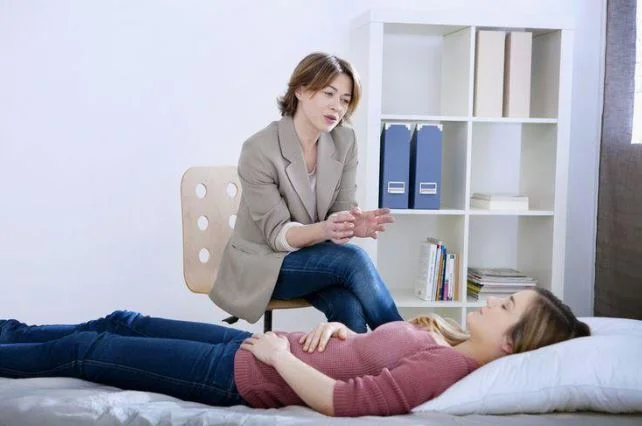
Anxiety can be caused by a number of situations, thoughts, memories, or physical sensations. Stressful situations, like work, social interactions, driving, public speaking, or relationship issues, may trigger a high stress reaction for some individuals. Knowing what the triggers are can be a key element to learning how to cope with anxiety.
One method that could be utilized with hypnotherapy is to examine how someone reacts to anxiety and learn ways to become more relaxed and aware of their emotions. Anxiety hypnotherapy targets thoughts, perceptions, and responses that can lead to anxiety or apprehension.
What are Anxiety Triggers?
An anxiety trigger is an event that causes or aggravates fear, worry, tension, or discomfort. Triggers may be external (stressful environment, situation) or internal (negative thoughts, memories, physical sensations).
The trigger isn’t the same for everyone, and the reaction is different for each person. A person can be at ease when speaking in front of others, but another person may be nervous about speaking in front of others.
Recognizing patterns will help people to understand what situations they seem to react to when they feel anxious and how they often respond.
How Hypnotherapy helps with Anxiety Responses
Hypnotherapy is usually a combination of relaxation and concentration. A person can get into a relaxed state when in session but is aware of the therapist’s direction.
In this relaxed state, it can be a chance to think about specific thoughts, perceptions, and behavioral patterns. A suggestion, imagery, relaxation technique, or other means may be used by a hypnotherapist to help induce a different response to what might previously have seemed overwhelming.
It is not about removing all stressors but about adopting more healthy responses to the stressors that may cause anxiety.
Recognizing Thought Patterns
Thoughts and expectations are frequently linked with anxiety triggers. For instance, a person who is making a presentation can keep picturing himself failing or being criticized by others. These thoughts can add to physical tension and make it feel even more threatening.
Hypnotherapy for anxiety can be useful for making people more conscious of these thought patterns and for thinking about alternative interpretations of stressful situations.
Developing Relaxation Skills
Physical symptoms may be a significant aspect of an anxiety reaction. When a person experiences a trigger, they may feel muscle tension, rapid breathing, restlessness, or a rapid heartbeat.
Relaxation techniques can encourage people to get to know how their body feels when they are relaxed. Breathing, visualization and guided relaxation can be used in hypnotherapy sessions to help induce a more relaxed state.
Some may also practice these relaxation techniques outside of the session when they are faced with stressful situations.
Changing the Perception of Stressful Situations
How someone thinks about a situation can affect their reactions to it. Two people can be in the same event and have different reactions.
Guided imagery and suggestions can be included in a hypnotherapy session to help people see themselves in a situation in a particular way. For instance, a person who is nervous before travelling might practise in his or her mind how to react to parts of the trip that have caused anxiety in the past.
This kind of mental rehearsal can be a chance to practise an alternate response in a controlled environment.
Building Confidence around Triggers
Sometimes anxiety-provoking situations may become even more intimidating over time if they are avoided. Gradually building confidence and coping skills can help people think differently about some situations.
Positive suggestions and visualization can be used to increase confidence and utilize hypnotherapy. Instead of just the trigger, sessions can focus on how the person wishes to feel and react when encountering the trigger.
Creating Personal Coping Strategies
Coping mechanisms vary with each person and should be tailored to the person. The hypnotherapist can delve into the circumstances that cause anxiety and find methods that can be applied in everyday life.
This can include relaxation exercises, breathing techniques, visualisation, and positive self-talk or mental anchors to help promote a calmer state.
These methods can become familiar to you when they are needed if practiced frequently.
When to Seek Additional Support
Anxiety can manifest as a sense of nervousness from time to time or as chronic symptoms that impact functioning. When anxiety begins to affect one’s work, relationships, sleep, or normal activities, the person should consult an appropriate e health care or mental health practitioner.
Hypnotherapy is not a substitute for medical and/or psychological treatment when it is needed. It can be used in conjunction with other strategies as part of a wider well-being strategy, depending on the context of the individual.
Final thoughts
Anxiety triggers may be linked with thinking, feeling, expecting, and reacting. Hypnotherapy in Los Angeles can help create a safe space for exploring these patterns, practicing relaxation, and learning other ways of reacting to stress.
Strategies such as enhancing awareness of personal triggers and practicing coping skills can help people feel better prepared to manage difficult situations with greater calm and confidence.


 Wild Rise
 IQnews wire


