
 Louis Harris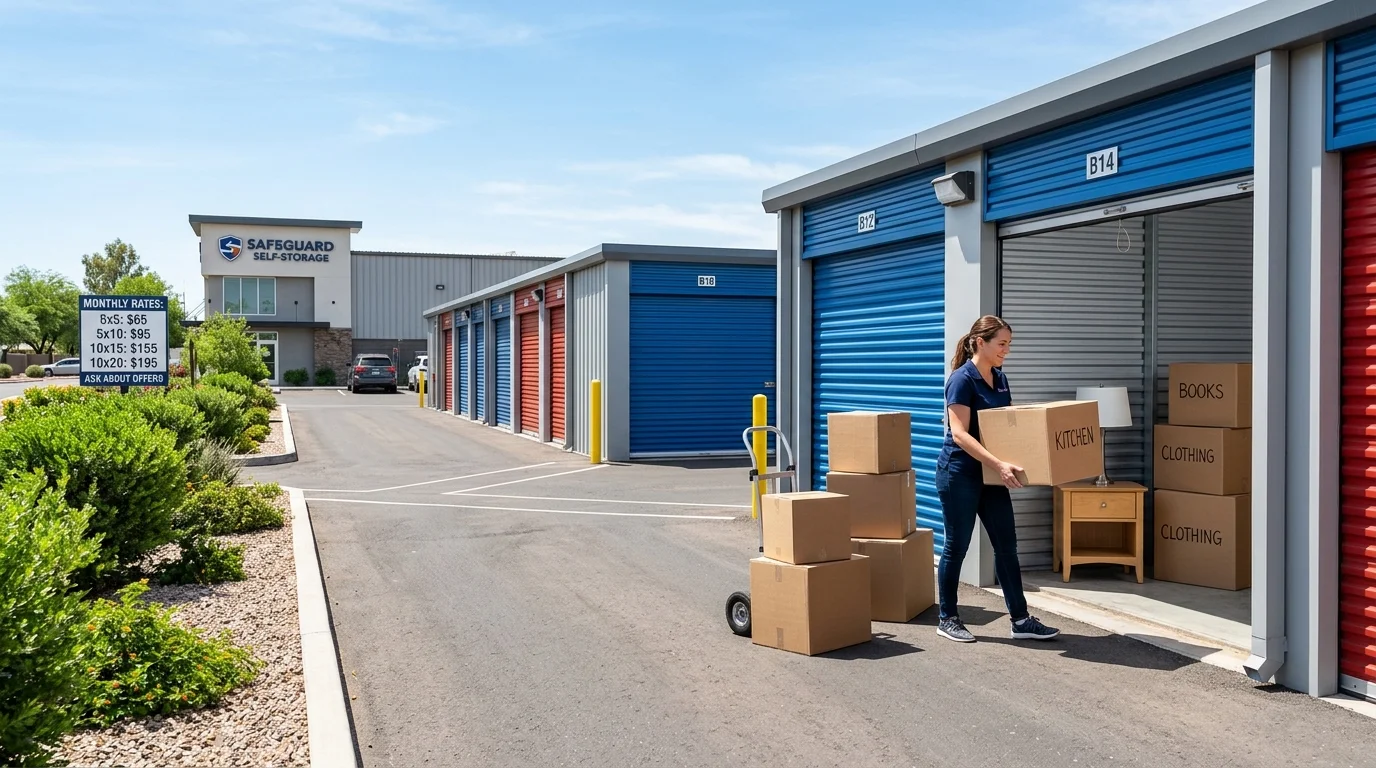
If you are looking for space to keep your things safe, one of the first questions that comes to mind is how much is a storage unit per month. Prices can change a lot from one place to another in 2026. The size of the unit and the city or town where it sits make a big difference. Some people need a tiny space for a few boxes. Others need a big room for furniture from a whole house. This article walks you through the average costs by size, shows how location changes the price, and shares simple tips so you can pick a unit that fits your needs and your budget without any big surprises.
Average Storage Unit Costs by Size in 2026
Across the United States in 2026, most people pay between about $35 and $300 each month for a storage unit. The exact amount depends mainly on how big the space is. A small 5×5 unit is about the size of a closet. It usually costs around $35 to $60 per month and works well for boxes, seasonal clothes, or a few small pieces of furniture. A 5×10 unit is roughly the size of a walk-in closet. You can expect to pay about $50 to $80 for that size, which holds the contents of a studio apartment or a lot of holiday decorations.
Next comes the popular 10×10 unit. This space is about the size of a small bedroom and often costs $80 to $120 each month. Many families use it when they move or when they need room for the things from a one-bedroom home. A 10×15 unit is a bit bigger and usually runs $110 to $160. It can hold the belongings from a two-bedroom house. Larger options like a 10×20 cost around $140 to $200, while a 10×30 can reach $200 to $300 or more. These bigger spaces are helpful when you need to store furniture from a full house or even a vehicle. Keep in mind that these numbers are national averages. Your local price may sit higher or lower depending on where you live.
Key Factors That Affect Monthly Storage Unit Prices
Size is only one piece of the puzzle. Several other things can make the monthly bill go up or down. High demand in busy cities often pushes prices higher because more people want space at the same time. Facilities that offer extra features such as climate control, better locks, or bright lights also charge more. Climate control keeps the air inside at a steady temperature so your items stay safe from heat or cold. Security cameras and gates that need a code can add a little to the cost too.
The length of time you plan to rent also matters. Some places give a small discount if you agree to stay for several months. Competition between nearby storage places can help keep prices lower because owners want your business. When many facilities sit close together, they often offer deals to fill empty units. Understanding these factors helps you see why two units that look the same size can have very different monthly prices.

How Much Is a Storage Unit Per Month Near Me?
Prices are highly local. The cost of a storage unit per month near me can change even between two neighborhoods in the same city. Areas with lots of apartments or busy moving seasons usually cost more. Places with many storage buildings close by often have lower rates because owners compete for customers. The best way to find the true price in your area is to search online for storage units near your zip code and compare a few options side by side. Call or visit a couple of places to ask about current specials. This simple step gives you the most accurate number for how much is a storage unit per month near me right now.
Storage Unit Costs by Major U.S. Cities
Looking at big cities shows how much location shapes the bill. In Los Angeles, a 5×5 unit often costs around $79, a 5×10 about $136, a 10×10 near $219, and a 10×20 close to $381. High housing costs and limited space drive these higher numbers. Denver sits a bit lower. A small unit there may start near $40 to $70, while a mid-size 10×10 often falls between $100 and $150. Dallas and Texas overall tend to be more affordable. In Houston a 5×5 averages about $30, a 5×10 around $46, a 10×10 near $80, and larger spaces stay under $150 in many cases.
Chicago prices usually land in the middle range. Expect $40 to $90 for a 5×5, $60 to $120 for a 5×10, and $100 to $180 for a 10×10. Las Vegas often offers good value. A 5×5 can cost about $30, a 5×10 around $60, a 10×10 near $88, and a 10×20 about $191. Tampa prices are close to national averages, with small units starting near $40 and mid-size ones around $100. San Jose follows the higher California pattern, so plan for rates closer to those in Los Angeles. These city numbers help you set a realistic budget before you start calling local places.
How Much Is a Storage Unit Per Month in the UK and New Zealand?
Outside the United States the numbers look different because of local money and building costs. In the UK a small 25-square-foot unit often costs about £60 to £70 each month. A 50-square-foot space averages around £95 to £120, while a 100-square-foot unit can reach £190 to £240. London prices sit higher than the rest of the country. In New Zealand small units start near NZ$80 to NZ$100 per month. Medium spaces run NZ$150 to NZ$300, and large ones can cost NZ$400 to NZ$550 or more. Auckland tends to be the most expensive area. These rates reflect local real estate prices and weather needs, so they differ from U.S. averages.

Climate-Controlled vs. Standard Storage Unit Pricing
Climate-controlled units cost about 20 to 30 percent more than regular ones. A standard 10×10 might be $100, while the climate-controlled version could be $120 to $130. The extra money buys steady temperature and humidity that protect wood furniture, electronics, photos, and clothing from damage. Many mid-size and large units offer this option. If you plan to store items for only a short time in mild weather, a regular unit may be enough. For longer stays or valuable belongings, the higher monthly rate often saves money by preventing costly repairs later.
Hidden Fees and Extra Costs Beyond the Monthly Rate
The advertised monthly price is only part of the story. Many facilities charge a one-time admin fee when you sign up. Insurance is often required and can add $10 to $20 each month if you do not already have coverage. Late payments bring penalties, and you may need to buy a special lock. Some places charge extra for after-hours access or for using a truck to move your things in. Seasonal rate changes can also raise the bill during busy moving months. Always ask for a full list of fees before you sign so you know the true cost of how much is a storage unit per month.
How to Find the Lowest Storage Unit Rates in 2026
You can lower your monthly bill with a few smart steps. Rent during slower months such as late fall or winter when demand drops. Agreeing to stay for three or six months often brings a discount. Compare prices from at least three facilities in your area. Watch for online specials that give the first month free or a reduced rate for new customers. Booking online sometimes costs less than walking in. Taking these simple actions helps you find a fair price without rushing.
Choosing the Right Size to Control Monthly Costs
Picking a unit that is too big means you pay for empty space every month. Start by listing the main items you need to store. A few boxes and a bicycle fit in a 5×5. Furniture from a one-bedroom home usually needs a 10×10. Measure large pieces and add a little extra room so you can walk inside. Many people find that stacking boxes and using shelves lets them choose a smaller, less expensive unit. Matching the size carefully keeps the monthly cost under control and leaves more money in your pocket.

FAQ
How much is a storage unit per month for a small family?
A 10×10 unit often works well and averages $80 to $120 across the country, though city prices may differ.
Does the price stay the same every month?
Most places keep the rate steady for the first few months, but some raise it after the first year, so ask about future increases.
Can I get a cheaper rate if I pay for several months at once?
Yes, many facilities offer a small discount when you pay three or six months ahead.
Is insurance required?
Most storage places ask you to buy their insurance or show proof of your own coverage.
How do I know what size I need?
List your biggest items, measure them, and talk with the storage staff. They can help you choose the right space.
Are there cheaper options outside big cities?
Yes, smaller towns and suburbs often have lower monthly rates than major metro areas.
What happens if I need to leave early?
Most leases are month-to-month, so you can usually leave with short notice, but check the exact rules first.
Do prices change with the seasons?
Yes, rates often rise in summer when more people move and drop a little in winter.
Conclusion
Knowing how much is a storage unit per month starts with understanding average costs by size and location. Small units often stay under $60, mid-size ones fall between $80 and $160, and larger spaces climb higher. City prices in places like Los Angeles sit above the national average while Houston and Las Vegas tend to cost less. Climate control, fees, and the length of your stay also shape the final bill. By comparing local options, choosing the right size, and watching for specials, you can find a unit that protects your belongings and fits your budget. Use the ranges and tips in this article to look around your area with confidence and pick the space that works best for you.
Disclaimer:
Storage unit prices change often based on location, demand, and facility rules. The averages shared here are general guides for 2026 and may not match the exact rate you see today. Always check current prices with local facilities and read the full rental agreement before signing. This article is for information only and is not financial or legal advice.