 Louis Harris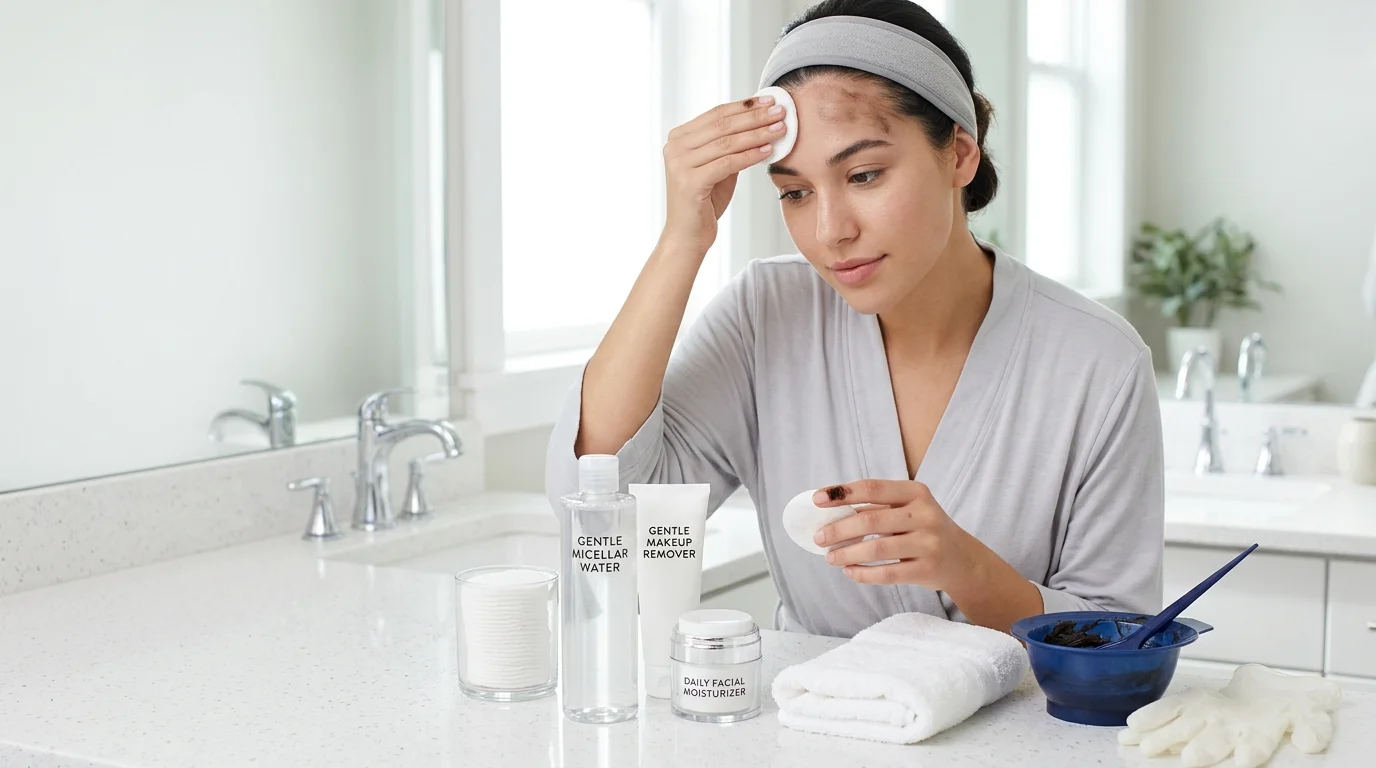
Have you ever finished coloring your hair at home and looked in the mirror to find colorful spots on your skin? Many people face this little surprise after a fun hair day. Learning how to remove hair dye from skin can save you time and keep your skin feeling good. These stains happen often on the face, hairline, hands, or nails, but you do not need to worry. With simple steps and safe home items, you can clear them up gently. This guide shares seven proven ways that really help, along with tips to stop stains next time. You will feel more confident and ready for your next color adventure.
Understanding Why Hair Dye Stains Skin and How Long It Lasts
Hair dye sticks to skin because of special chemicals that connect with proteins in your skin. These colors can bond fast, especially if the dye sits for a while. Fresh stains come off easier because they have not set deep yet. Once the dye dries or sets in, it takes more effort to lift away. Without help, most stains fade in a few days to a couple of weeks as your skin naturally renews itself.
On sensitive skin, like on the face, stains might feel more noticeable and last a bit longer. Hands and thicker skin areas often show darker marks but respond well to gentle cleaning. The type of dye matters too. Permanent dyes hold stronger than semi-permanent ones. Factors like how long the dye stays on and your skin’s dryness can change how long the color lasts. Knowing this helps you choose the right time and method to act. That’s why quick care makes a big difference for your comfort and skin health.
Prevention Tips: Avoid Stains Before They Happen
The best way to handle stains is to stop them from starting. Before you open the dye box, take a few easy steps to protect your skin. Apply a thick layer of petroleum jelly or a gentle cream along your hairline, around your ears, and on the back of your neck. This creates a smooth barrier that keeps the color from sticking.
Wear gloves every time you mix or apply the dye. This simple habit protects your hands and nails from messy marks. You can also use old towels or clothes to cover your space. Work in small sections and wipe any drips right away with a dry cloth or cotton pad. These small habits build over time and make home coloring much cleaner and more enjoyable. After that, you will spend less time fixing stains and more time loving your new hair look.

Method 1: Soap and Warm Water (Best Starting Point for Fresh Stains)
Start with the easiest choice when you notice fresh dye on your skin. Wet the area with warm water and add a mild soap. Use your fingers or a soft cloth to make gentle circles on the spot. The warmth helps loosen the color while the soap lifts it away. This works great right after coloring on most body parts.
Many people find that this simple step clears light marks completely. Rinse well and pat your skin dry. If some color remains, you can try it again after a short break. It is safe for daily use and does not dry out your skin too much. This method gives you a quick win and builds your confidence for the other steps if needed.
Method 2: Natural Oils (Coconut, Olive, or Baby Oil – Gentle for Face and Hairline)
Natural oils offer a soft and caring way to lift dye, especially on delicate spots like the face and hairline. Pick coconut oil, olive oil, or baby oil that you already have at home. Put a small amount on a cotton pad and press it gently on the stain. Let it sit for a few minutes or even overnight for stronger marks.
The oil works by softening the color so it wipes away easily. In addition, it leaves your skin feeling smooth and moist. This choice is wonderful for sensitive skin because it adds care instead of taking moisture away. Wipe clean with a soft cloth and rinse if you like. Over time, you will see how these oils become your go-to friend for gentle cleanup.
Method 3: Makeup Remover or Micellar Water (Quick and Face-Safe Option)
Makeup remover and micellar water are great for fast results on the face. These products dissolve pigments well without rough scrubbing. Soak a cotton pad with the remover and hold it softly on the stained area for about thirty seconds. Then wipe in light circles.
This method suits the thin skin around your eyes and hairline because it feels mild. It works quickly on fresh or light stains and leaves no heavy feeling behind. For example, many friends use their everyday micellar water after coloring and feel happy with the clean results. Next, follow with a gentle rinse to keep everything fresh.

Method 4: Baking Soda and Dish Soap Paste (Effective for Hands and Stubborn Stains)
For thicker skin on hands and nails, mix a little baking soda with dish soap to make a soft paste. This combo gently scrubs away deeper color. Apply the paste to the spots and use small circular motions with your fingers. Keep the pressure light to avoid irritation.
Rinse with warm water after a minute or two. The baking soda helps lift the surface color while the soap breaks it down. This paste shines on stubborn marks that have set in a bit. Use it on hands where skin is stronger, but skip very sensitive areas. That’s why testing on a small spot first feels smart and safe.
Method 5: Non-Gel Toothpaste (Targeted Spot Treatment)
White non-gel toothpaste can surprise you as a helpful spot treatment for small stains. Dab a thin layer on the mark and let it sit for five to ten minutes. The mild bits in the paste work to loosen the dye. After that, rub softly with a damp cloth and rinse clean.
This works nicely for isolated spots on your face or hands. Always do a quick test on your inner arm first to make sure your skin likes it. Many people enjoy this because toothpaste is already in their bathroom and easy to grab. It adds another simple tool to your list without extra shopping.
Method 6: Rubbing Alcohol or Hand Sanitizer (Fast Action for Dried Stains)
For dried stains on hands or arms, rubbing alcohol or hand sanitizer can act fast. Dab a small amount on a cotton ball and press gently on the area. Do not rub hard, and keep it away from your face. The alcohol helps dissolve the set color quickly.
After you see the stain lift, rinse the skin well and add a good moisturizer because this can feel drying. Use it only when gentler options do not fully work. Dilute it with a bit of water if your skin feels extra sensitive. This method gives speedy help for older marks while reminding you to care for your skin afterward.
Method 7: Petroleum Jelly or Overnight Treatments (For Persistent Stains)
When stains stay strong, petroleum jelly offers a patient overnight solution. Spread a thick layer over the spot and cover lightly if you want. Leave it on for several hours or through the night. In the morning, wipe it away with a soft cloth and wash gently.
The jelly softens the dye and lifts it over time without harsh action. This works well for face-safe choices too if you pick plain versions. Variations include mixing with a drop of oil for extra care. By morning, you often see much clearer skin. This gentle wait helps even tough cases fade nicely.
How to Remove Hair Dye from Specific Areas (Face, Hairline, Hands, Nails, Scalp)
Different body parts need slightly different care. On the face and hairline, always choose the softest options like oils or micellar water to protect delicate skin. Use light touches and avoid strong scrubbing. For hands and nails, pastes with baking soda or toothpaste give good results because the skin there is tougher.
On the scalp, gentle shampoo or oils help without pulling hair. Work in small areas and rinse thoroughly. For stains after drying, overnight methods often bring the best success. Instant cleanup right after coloring prevents most problems. These small differences make your removal plan feel just right for each spot.

Safety Considerations and When to Seek Professional Help
Your safety comes first in every step. Always test a new method on a small hidden area of skin a day before full use. Stay away from very strong chemicals like bleach or pure acetone because they can hurt your skin. Watch for signs of irritation such as redness, itching, or burning. If these appear, stop right away and rinse with cool water.
For ongoing worries or very sensitive skin, talk to a doctor or skin expert. Places like the Cleveland Clinic share good general advice on skin care. Taking these careful steps keeps the process fun and worry-free for everyone.
Myths vs. Facts: What Doesn’t Work and Common Mistakes
Some ideas about stain removal do not help and can even cause trouble. Heavy scrubbing might feel like it works but often irritates skin and spreads the color. Strong acids or certain home mixes on the face are not safe and can lead to dryness or worse. The fact is that patient, gentle methods give better long-term results.
Another myth says you need special store products every time. In truth, simple kitchen and bathroom items do the job well for most people. Avoiding these common mistakes saves your skin and makes the whole experience smoother.
Aftercare: Soothing and Moisturizing Your Skin
After you clear the dye, give your skin some love. Apply a gentle moisturizer to bring back softness and strength. Aloe vera feels cool and calming on treated areas. Drink plenty of water and eat foods that support healthy skin.
This care helps your skin barrier heal fast and prevents new sensitivity. Over time, your skin will feel stronger and more ready for future coloring days. Small habits like this turn one-time fixes into lasting comfort.
FAQs
What is the fastest way for how to remove hair dye from skin right after coloring?
Soap and warm water or micellar water often lift fresh marks in minutes when you act quickly.
Can I use these methods on my face safely at home?
Yes, oils and makeup removers work well for facial areas if you stay gentle and test first.
How do I get dye off my nails without damage?
Try toothpaste or baking soda paste with soft brushing, then moisturize well afterward.
What works best for dried or set-in stains?
Overnight petroleum jelly or oil treatments help lift stubborn color gently over hours.
Are there risks with rubbing alcohol on skin?
It can dry skin, so use sparingly on hands only and always follow with moisturizer.
How long do skin stains usually last without treatment?
Most fade in one to two weeks as skin renews, but methods speed this up nicely.
What should I do if my skin feels irritated after removal?
Rinse with cool water, apply soothing cream, and see a doctor if it does not improve soon.
Can prevention really stop most stains next time?
Yes, barriers like petroleum jelly and gloves make a huge difference for cleaner results.
Disclaimer
This article shares general friendly tips based on common experiences and helpful practices. It is not medical advice. Always check with a doctor or skin professional for personal concerns, especially if you have sensitive skin or health conditions. Results can vary by person.