
 Louis Harris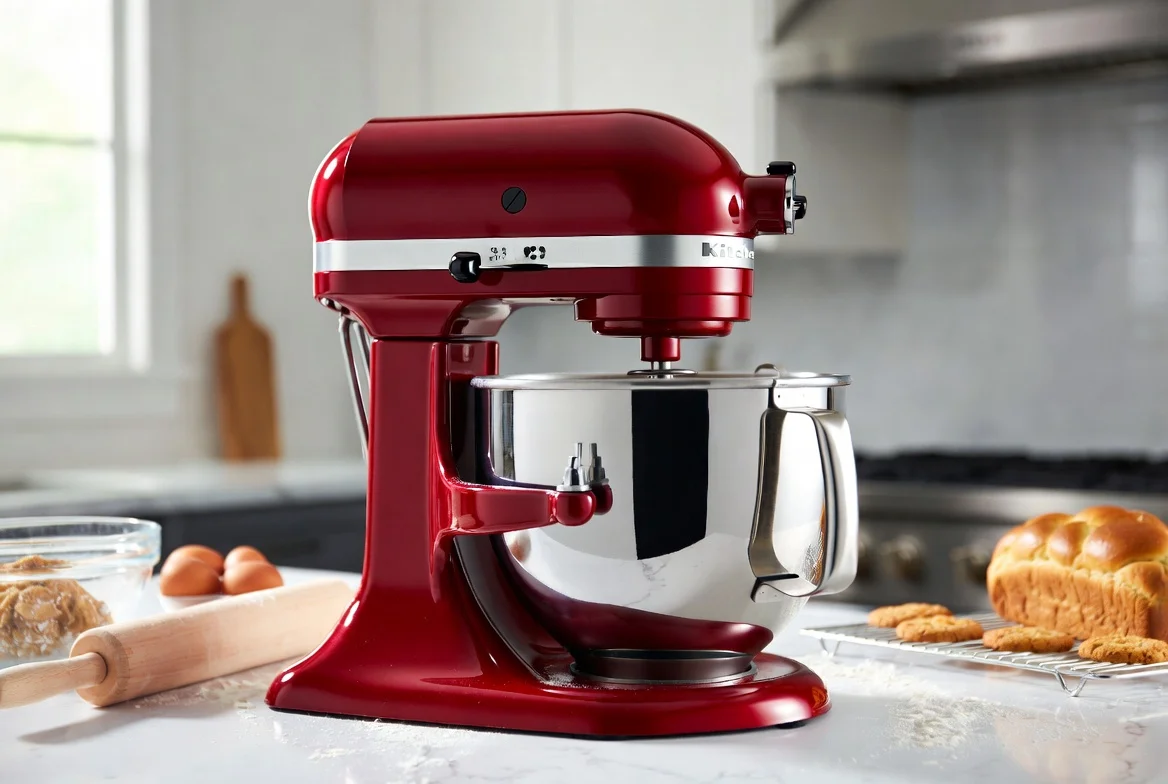
Do you bake in big batches? Then you know the pain of a small mixer that just can’t keep up. The dough climbs up the beater. The bowl shakes around. You end up finishing the job by hand anyway. The KitchenAid 7 quart bowl-lift stand mixer was made to fix that problem. It has a big bowl, a strong motor, and a sturdy frame. It stays steady even when the dough gets thick and heavy. In this guide, we will look at what this mixer can do, what it costs, and who should buy one.
This mixer sits near the top of KitchenAid’s home lineup. You can see that in its size and its price. It is not the right pick for someone who bakes a small batch of cupcakes once in a while. But if you make bread often, bake for a crowd, or run a small baking business from your kitchen, this machine was made for you. Below, we will cover the full specs. We will also look at how it works in real kitchens, what it costs new and refurbished, and a newer version of the design that just came out.
What Makes This Mixer Different
Most people picture the classic KitchenAid mixer with a head that tilts back. That lets you pull the bowl out. This model works in a different way. The bowl itself rises up into place using two side arms. This is called a bowl-lift design. It comes from KitchenAid’s bigger, more commercial-style machines. The bowl locks into place from three points. That means it stays steady even with something thick, like bagel dough or a heavy batch of peanut butter cookies. There is much less wobble than you would get from a smaller mixer.
KitchenAid says this mixer gives you two times the power in the bowl, compared to its tilt-head mixer. This is based on peak power above speed 2. In simple words, that means the motor can push through stiff, heavy dough. It won’t slow down or stop like a smaller machine might.
A Bowl That Locks in Place
The bowl-lift system first came from KitchenAid’s professional machines. That same design is now used in this home model. A bowl that locks in three points gives you more stability when you mix heavy, thick ingredients. This matters most when you knead bread dough that pushes back against the beater. The bowl locks in tight instead of just tilting. So the whole frame stays steady during hard, heavy mixing.
Strong Motor, Many Speeds
This mixer has 11 different speeds. That includes a gentle half-speed setting made just for folding. That half-speed setting is great when you want to add something delicate to your batter. Think fresh blueberries or whipped egg whites. You can fold them in without crushing them or mixing too much. Speed 10 handles fast, heavy jobs. Speed 1/2 handles gentle folding. So you get a wide range of control, and you don’t have to watch the bowl the whole time.

KitchenAid 7 Quart Bowl-Lift Stand Mixer Specs
Before you buy, it helps to know the real numbers. Here is what to expect. The bowl holds 7 quarts, or about 6.6 liters. The whole mixer has 11 speed settings. It measures about 16.5 by 11.3 by 14.6 inches. It weighs about 34.6 pounds. That makes it bigger and heavier than most kitchen mixers you may have used before. The mixing bowl is made from stainless steel. The body is made from die-cast metal for extra strength. The cord is about 3.6 feet, or 110 centimeters, long. That is enough length for most kitchen counters.
The real mixing power is what makes this machine stand out. In one batch, it can mix around 13 dozen cookies. It can knead more than 8.5 pounds of bread dough. It can mash more than 7.5 pounds of potatoes. That means fewer batches. It means less waiting. It means less cleanup between rounds.
This mixer weighs close to 35 pounds. Because of that, it makes sense to give it one spot on your counter. You should not need to move it in and out of a cabinet each time you bake. That weight is part of why the mixer feels so steady when you knead heavy dough. Think of it as a trade-off, not a flaw. A heavier base means calmer, quieter mixing, even when the dough fights back.
What Comes in the Box
The standard 7 quart bowl-lift mixer comes with one stainless steel bowl, one double flex edge beater, one coated flat beater, one coated dough hook, one 11-wire whip, and a pouring shield. That is a full set of tools. You can bake bread, whip cream, or mix cookie dough right out of the box.
The double flex edge beater is worth a special mention. Not every stand mixer comes with one. This beater has a twist shape with two soft edges. Those edges scrape the sides of the bowl as it mixes. That means you spend less time stopping the mixer to scrape the batter down by hand. If you have ever paused a mixer just to push ingredients back to the beater, you will notice the difference right away.
The New Premium Touchpoints Version
In 2025, and into 2026, KitchenAid began selling a new version of this mixer. It is called the “7 Quart Bowl-Lift Stand Mixer with Redesigned Premium Touchpoints.” This new version keeps the same strong, built-to-last metal body. But it adds 59 touchpoints around the bowl to help improve how it mixes. The main specs stay the same. The speeds, the size, and the power have not changed. If you compare model numbers while shopping, this touchpoint detail tells you if you are looking at the new design or the older one.

KitchenAid 7 Quart Bowl-Lift Stand Mixer Price
Price is often the biggest factor for shoppers. It can shift a lot based on where you buy and if you choose new or refurbished. Brand new, this mixer usually costs $599.99 in the United States. That price stays about the same across most big retail sites. Sales do happen from time to time. One home goods store recently priced a color for $529.95, down from a listed price of $649.95. So it pays to check for sales before you buy.
If a lower price matters more to you than a brand new box, the refurbished route is worth a look. KitchenAid’s own refurbished listings for this size have ranged from about $324 to $530. Other sellers have listed refurbished units for even less, sometimes in the high $200s. Prices on resale sites change often. It helps to compare a few sources before you decide. Refurbished units sold through KitchenAid’s official channels come with a 2-year warranty backed by Allstate, valid in the United States. That warranty takes a lot of the risk out of buying used. You are still covered if something goes wrong.
Choosing refurbished can cut the price nearly in half. You still get real warranty protection. For a mixer at this price, that is real savings. This matters most if you are buying your first big stand mixer, and you are not sure yet how often you will use it.
What Real Owners Say
Reviews of this mixer keep pointing to two things. It handles heavy, thick dough well. And it feels much sturdier than smaller KitchenAid models. One buyer who runs a small cookie business called it “a workhorse.” She said there was very little side splatter when adding dry ingredients, thanks to the big bowl. Another buyer bought a refurbished unit. She said it looked close to new, aside from a small nick on one part. It handled focaccia, buttercream frosting, cookies, cakes, and even meatballs with no trouble.
A hands-on review from Tom’s Guide found the same thing. The reviewer called the mixer capable and sturdy. He said it sits somewhere between a home tool and a commercial-grade machine. He said it works best for people who bake in large batches, not everyday small recipes. That review matches what most owners say. This mixer works best when you give it real work to do.

Is This Mixer Worth It Over a Smaller One?
This is the real question most shoppers want answered. It comes down to how much you actually bake. For someone who bakes normal amounts at home, a smaller Artisan tilt-head mixer with a 5 quart bowl costs around $499. It covers most everyday baking needs. That smaller mixer will handle cookies, cakes, and the odd loaf of bread just fine for most homes.
The 7 quart bowl-lift mixer earns its higher price when your baking goes past that. Maybe you make big batches of bread often. Maybe you bake cookies for a school event or bake sale. Maybe you cook meals sized for a crowd. In those cases, the extra size and power start to make real sense. There is also a middle choice worth knowing about. A 5.5 quart bowl-lift version shares the same body and parts, but comes with a smaller bowl, a slightly different tool set, and a price about $150 lower. That version can be a smart middle ground. You get the steady, locked bowl-lift design, without paying for the full 7 quart size.
Think honestly about how often you bake, and in what amounts, before you decide. A mixer this size is a real investment. It pays off best when you use it often, and push it hard.
How to Clean and Care for It
A few simple habits will keep this mixer working well for years. That matters a lot, given how much it costs. Wipe the metal body down with a damp cloth after each use. Never put any part of the base in water. Wash the steel bowl and the beater parts by hand when you can. Too many trips through the dishwasher can dull their shine over time. It also helps to check the space between the beater and the bowl now and then. Heavy daily use can shift it a little. KitchenAid mixers let you make a simple fix if that happens. Last, store the pouring shield and the wire whip where they won’t get bent or crushed in a drawer. The wire whip can lose its shape if something heavy sits on it.
Take a few extra minutes for care after each big baking day. It goes a long way. A machine like this is meant to last for many years. Small habits now will protect that for the long run.

Frequently Asked Questions
How much does the KitchenAid 7 quart bowl-lift stand mixer cost?
New units usually cost around $599.99 in the United States, though sales can bring that price down. Certified refurbished units often sell between about $280 and $530, depending on the color and where you shop.
What is the difference between the bowl-lift and tilt-head KitchenAid mixers?
A tilt-head mixer tips the motor head back so you can reach the bowl below. A bowl-lift mixer raises the bowl itself into place using side arms. This locks the bowl in three points for better stability when you mix heavy dough.
How many cookies can this mixer make in one batch?
Based on KitchenAid’s own tests, using a flat beater with a standard dough size, it can mix around 13 dozen cookies in one batch. That is enough for most bake sales, school events, or family get-togethers.
Does the 7 quart mixer come with a dough hook?
Yes. The standard set includes a coated dough hook, a coated flat beater, a double flex edge beater, an 11-wire whip, and a pouring shield.
Is the new premium touchpoints version worth choosing over the old one?
The new version adds 59 touchpoints around the bowl to help improve mixing. It keeps the same speeds and size as before. It is a good pick if both versions cost about the same.
How much does the mixer weigh, and does that matter?
It weighs about 34.6 pounds. That weight helps keep it steady during heavy mixing. But it also means the mixer works best as a permanent counter tool, not something you tuck away between uses.
Is a refurbished KitchenAid 7 quart mixer a safe buy?
Refurbished units bought through KitchenAid’s official program, or through a trusted seller, usually come with a multi-year warranty. That warranty makes them a fairly safe way to save money on this model.
Final Thoughts
The KitchenAid 7 quart bowl-lift stand mixer is made for bakers who need real size and real stability. It is not just a bigger bowl for show. If you knead bread every week, run a small baking business, or cook for a crowd often, the price is easy to justify. If your baking is more now-and-then, a smaller tilt-head model may work just as well for a lot less money. Either way, once you know the full specs, the tools that come with it, and the price range for new and refurbished units, your choice should feel a lot clearer.
Disclaimer
This article is for general informational purposes only. For technical, medical, financial, or safety-related decisions, please check with a qualified professional or the original manufacturer or source. The prices, specs, and product versions in this article reflect what was known at the time of writing, and they may change. Check KitchenAid’s official site or your retailer for the most current details before you buy.


 IQnews wire
 Sufyan amir


