
 Louis Harris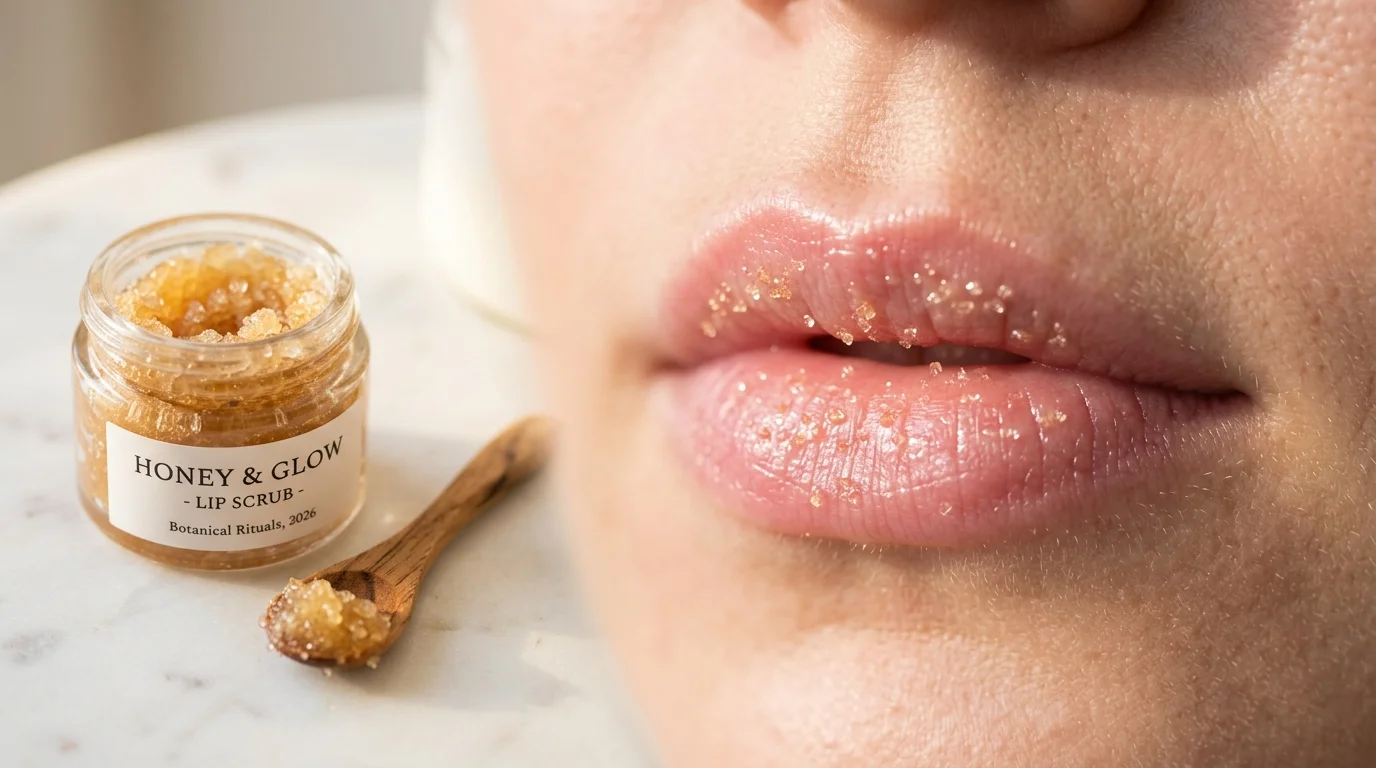
A lip exfoliator is a special care step made just for the skin on your lips. It uses soft bits like sugar to gently clear away the dry, rough bits that build up. This helps your lips feel smooth and soft every day. In 2026, many people care more about small daily habits that make their faces look and feel better. Soft lips make it easier to smile, wear lip color, and stay comfortable when the weather changes. When your lips feel rough, even simple things like talking or eating can feel less nice. Taking a few minutes with a lip exfoliator can change that and leave your lips ready for the rest of your day.
Understanding What a Lip Exfoliator Actually Does
A lip exfoliator works by rubbing soft particles across the thin skin on your lips. Those particles lift off the old dry layer so newer skin can show. This is different from a face scrub because lip skin is much thinner and needs a lighter touch. It is also different from a lip balm, which only adds moisture on top. The lip exfoliator clears the surface first so the moisture can sink in better later. When you choose one with gentle bits and use it the right way, your lips stay smooth without feeling sore. Over time this simple step helps the skin on your lips stay even and comfortable.
Why Most People Overlook the Unique Needs of Lip Skin
The skin on your lips is not the same as the skin on your cheeks or forehead. It has no oil glands of its own, so it cannot make its own soft layer to hold water inside. That is why lips get dry and crack more easily than other parts of the face. Wind, sun, cold air, and even the way we lick our lips during the day pull moisture out fast. Regular face cream or plain balm often sits on top without fixing the rough bits underneath. A lip exfoliator steps in to clear those bits so the skin can hold onto the care you give it next. Once you see how different lip skin is, it becomes clear why a special tool made just for lips works better than using the same cream everywhere.

Different Forms of Lip Exfoliator and When Each Works Best
Lip exfoliators come in a few easy forms, and each one fits different days and habits. A classic sugar-based lip exfoliator scrub feels grainy and soft. You scoop a little with your finger and rub it on. This form works well when you have a few quiet minutes at home and want to feel the texture under your hands. A lip exfoliator stick looks like a tube of balm. You twist it up and glide it across your lips. It is handy for travel or busy mornings because there is no mess and no need for a mirror every time. Some people like a lip exfoliator brush that has soft bristles. The brush helps spread the product evenly and can feel extra gentle. Homemade versions use things from the kitchen and let you mix only what you already have. Each form has its own feel and speed, so you can pick the one that matches how much time you have and how your lips feel that day.
How to Use a Lip Exfoliator Correctly for Lasting Results
Start with clean lips so no leftover color or dirt gets in the way. Put a small amount of the lip exfoliator on your fingertip or directly from the stick. Rub in soft circles for about twenty to thirty seconds. Use only light pressure, like you are brushing dust off a soft cloth. Rinse with lukewarm water or wipe gently with a soft cloth. Right after that, put on a good lip balm or oil so the new skin stays protected. Most people do this two or three times a week. Doing it every day can be too much for the thin lip skin. When you follow these simple steps, the smooth feeling lasts longer and your lips stay calm.
Comparing Popular Options Including e.l.f. and The Ordinary
Many stores sell ready-made lip exfoliators, and two names that show up often are e.l.f. and The Ordinary. The e.l.f. lip exfoliator comes in a small jar or stick and uses sugar mixed with soft oils. People who leave e.l.f. lip exfoliator reviews often say it feels sweet and leaves lips soft after one use. Some note that the scrub form has a nice grain while the stick is easier to carry. The Ordinary lip exfoliator is known for a simple list of ingredients and a clear texture. Users talk about how it feels mild and works without heavy scent. Both products stay popular because they are easy to find and cost less than many fancy ones. Looking at the texture, the size of the jar, and what other people say about how their lips felt afterward helps you decide which one might fit your own routine.

Finding the Best Lip Exfoliator for Dry or Chapped Lips
When lips are very dry or cracked, the formula needs extra care. Look for a lip exfoliator that mixes the gentle scrub bits with oils or butters that add moisture at the same time. Smaller, softer grains work better than big rough ones because they clear the dry layer without pulling more water out. A product that feels creamy after you rub it can soothe while it cleans. Avoid anything that feels sharp or leaves a tight feeling. The best lip exfoliator for dry lips is one that leaves the surface smooth and ready to drink in the balm you put on next. Testing a small amount on one side of your lips first can show you how your skin answers before you use it all over.
Natural and DIY Lip Exfoliator Approaches
Some people like to make their own lip exfoliator with simple kitchen items. A common mix uses a spoon of sugar and a few drops of honey or coconut oil. You stir them together until they form a soft paste, then rub it on the same way you would use a store product. Brown sugar feels a little softer than white sugar for many people. These natural lip exfoliator mixes let you control every part and cost almost nothing. At the same time, homemade versions do not last as long and need to be used right away so they stay fresh. Store-bought ones often have extra helpers that keep the mix stable and kind to skin. Both paths can work; the choice depends on whether you want speed and convenience or the joy of mixing something yourself.

The Overlooked Link Between Lip Exfoliation and Long-Term Lip Health
Clearing the surface once feels nice, but doing it gently and often builds something better over months. When the old dry layer is gone, the balm you put on reaches deeper and stays longer. Lips that stay smooth flake less during cold months and bounce back faster after a windy day. The thin barrier on the lips grows stronger because it is not fighting against thick dry patches all the time. Most guides talk only about the soft feeling right after use. The longer view shows that regular gentle care helps lips stay comfortable through every season without needing heavier products later.
Common Mistakes That Reduce Results or Cause Irritation
Pressing too hard is one of the easiest ways to make lips feel worse. The skin is thin, so hard rubbing can leave it red or sore. Skipping the balm step after the scrub leaves the new skin open to the air, and dryness comes back fast. Using a face scrub on the lips is another common slip because those products are made for thicker skin. Doing the step every single day can also strip too much and leave lips sensitive. Watching for these habits and slowing down keeps the benefits of any good lip exfoliator scrub and stops the small problems before they start.
Pairing Your Lip Exfoliator with Other Lip Care Steps
After you finish the scrub, the next layer matters. A plain balm seals in the softness. A drop of oil can add extra shine and comfort. Some people like a thin treatment that helps with color or overnight repair. Putting the lip exfoliator first clears the way so each of those next products works better. Think of it like wiping a window before you polish it. The clear surface lets every good thing that follows do its job more fully. Building a small chain of steps that fit together keeps lips soft from morning until night.

Quick Answers to Frequent Questions About Lip Exfoliators
What is the difference between a scrub and a stick form?
A scrub comes in a jar and feels grainy under your fingers. A stick glides on like a balm and is easier to carry in a pocket.
Can people with sensitive skin use a lip exfoliator?
Yes, if the grains are small and soft and you test a tiny amount first. Stop if any redness shows.
How soon will lips feel smoother?
Most people notice a soft change right after the first gentle use, and the feeling stays longer with regular care.
Is it safe to use a lip exfoliator before putting on lip color?
Yes. Clearing the surface first helps the color sit evenly and last longer without looking patchy.
Do homemade mixes work as well as store ones?
They can feel soft and fresh, but store products often last longer and stay the same from jar to jar.
How do I know if I am using too much pressure?
If your lips feel warm or look pink after you rinse, the touch was a bit strong. Next time use lighter circles.
Should I use a lip exfoliator in summer as well as winter?
Yes. Heat and sun can dry lips too, so the same gentle step helps in warm months.
What if my lips still feel dry after using one?
Make sure you add balm right away and drink enough water during the day. The scrub clears the surface, but moisture has to follow.
Final Thoughts on Choosing and Using a Lip Exfoliator
Picking a lip exfoliator that matches how dry your lips feel and how much time you have makes the whole step easy and pleasant. Start with a gentle product and light pressure, then watch how your lips answer over a week or two. Soft, smooth lips are not only nice to look at. They make everyday moments more comfortable and help the rest of your lip care work better. Try the simple habits in this guide, notice what feels best for you, and enjoy the lasting softness that comes from kind, steady care.
Disclaimer
This article is for general information only and is not medical advice. Always test new products on a small area first and talk with a doctor or skin expert if your lips stay sore, cracked, or change in ways that worry you. Results can differ from person to person. The writer and publisher are not responsible for any outcomes from using the ideas shared here.