
 Louis Harris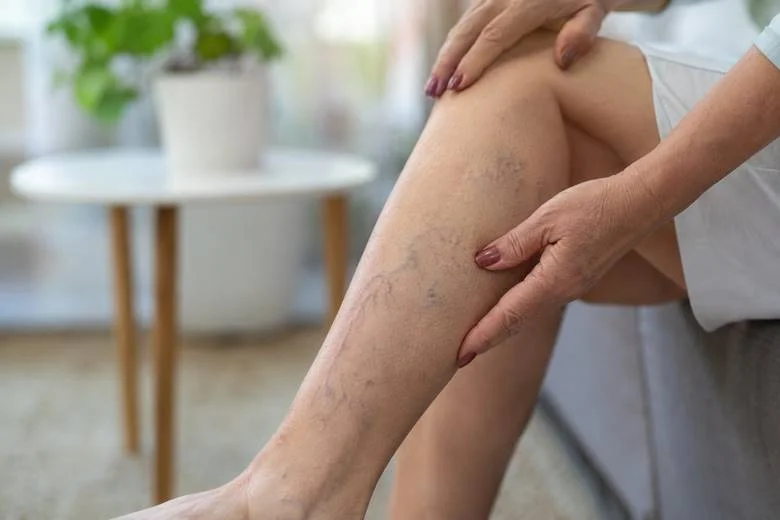
Varicose veins can be more than a cosmetic concern. For some people, they come with aching, heaviness, itching, swelling, or discomfort after sitting or standing for long periods. Because of this, many people look for creams, oils, gels, and other topical products that can be added to a daily leg-care routine.
It is important to set realistic expectations, though. Topical products can moisturize the skin or provide a soothing sensation, but they do not correct the faulty vein valves that commonly cause varicose veins. Medical guidance generally focuses on movement, leg elevation, compression, and, when necessary, procedures such as sclerotherapy or endovenous treatment.
1. H-Varicose Veins Formula
H-Varicose Veins Formula by Healing Natural Oils is a topical oil for varicose veins homeopathic formula designed for areas prone to varicose and spider veins. Its listed ingredients include Aesculus hippocastanum and Collinsonia canadensis, along with hazelnut oil, wheat germ oil, and an essential-oil blend. The manufacturer describes it as a concentrated topical formula intended for routine application to the skin.
For people interested in an oil-based formula, it can be considered as part of a broader skin-care routine rather than as a replacement for medical treatment. The manufacturer also states that its homeopathic uses have not been evaluated by the FDA and that the product has not been clinically tested by the company. Those details matter when comparing a top brand or choosing a product from a trusted seller.
2. Horse Chestnut-Based Topical Gels
Horse chestnut is commonly discussed in relation to leg-vein care, particularly because compounds from the plant have been studied in connection with chronic venous problems. Topical products may contain horse chestnut extract in a gel or cream designed to spread easily over the legs. However, the evidence for topical preparations is not the same as evidence for medical treatments that address the underlying vein problem.
A practical point is to check the ingredient list and follow the manufacturer’s directions rather than assuming that every horse chestnut product works in the same way. People with sensitive skin should also test new topical products carefully. If swelling, pain, skin discoloration, or other symptoms are persistent, professional assessment is more appropriate than relying only on a cream or oil.
3. Cooling Leg Gels With Menthol
Cooling gels containing ingredients such as menthol are another option people sometimes use when their legs feel tired, warm, or uncomfortable. The cooling sensation can make the skin feel refreshed, especially after a long day spent standing or walking. These products are generally aimed at temporary comfort rather than changing the structure of a varicose vein.
A cooling gel may be particularly convenient for people who dislike greasy oils. Still, the difference between comfort and treatment is important. A topical gel does not replace compression therapy or medical evaluation when varicose veins are causing significant symptoms. If a product causes burning, redness, or irritation, it should be discontinued.
4. Moisturizing Creams and Emollients
Not every useful topical product needs to be marketed specifically for varicose veins. A simple moisturizer can be helpful when the skin around affected veins becomes dry, flaky, or itchy. The NHS notes that moisturising creams and lotions can help manage dry skin associated with varicose veins and varicose eczema.
For people dealing with irritated or dry lower-leg skin, choosing a fragrance-free or gentle moisturizer may be more practical than using a heavily scented formula. Emollients help reduce water loss from the skin, but they do not remove enlarged veins. If the skin becomes inflamed or develops a sore that does not heal, medical advice is important because skin changes can sometimes accompany more advanced venous problems.
5. Essential-Oil-Based Leg Oils
Essential oils are often included in topical leg oils because of their fragrance and skin-care properties. Products may contain oils such as lavender, cypress, chamomile, or other botanical ingredients blended into a carrier oil. A properly diluted topical oil for varicose veins can be used as part of a gentle massage or moisturizing routine, depending on the product instructions.
However, essential oils should not be treated as proven cures for varicose veins. Concentrated essential oils can irritate the skin when used incorrectly, and some people may be allergic to particular botanical ingredients. A patch test can be sensible before applying a new blend over a larger area. People who are pregnant, breastfeeding, taking medication, or managing another medical condition should ask a healthcare professional before using concentrated botanical products.
6. Compression Support Used With Topical Skin Care
Compression is different from an oil or cream because it works through physical pressure rather than a topical ingredient. Medical compression stockings gradually apply pressure to the legs, with stronger compression around the ankle, helping support upward blood flow. Mayo Clinic describes compression stockings as one of the common first approaches for symptomatic varicose veins.
Compression can therefore make sense alongside topical skin care when appropriate. A moisturizer or oil can help maintain comfortable skin, while compression addresses circulation in a different way. Proper sizing matters, and people with circulation problems or certain medical conditions should ask a healthcare professional whether compression is suitable.
How to Choose a Topical Varicose Vein Product
The right choice depends largely on what you want the product to do. If the main issue is dry or itchy skin, a simple moisturizer may be enough. If you prefer an oil-based routine, a diluted botanical blend may provide a pleasant moisturizing experience. A formula such as H-Varicose Veins Formula is another option for someone specifically looking for a topical homeopathic product. The important point is to evaluate ingredients, directions, skin sensitivity, and evidence rather than choosing something simply because it is described as a “best buyer choice.”
Many people also search for a home remedy for varicose veins, but everyday measures can be just as important as topical products. Regular walking, avoiding long periods of sitting or standing, and raising the legs when resting can help manage symptoms.
When Topical Products Are Not Enough
Topical care has limitations. Varicose veins develop when veins and their valves do not move blood efficiently back toward the heart, allowing blood to pool and veins to enlarge. A cream, oil, or gel cannot repair those damaged valves.
If veins become painful, swollen, increasingly noticeable, or associated with skin changes, it is worth discussing them with a healthcare professional. Treatment may involve ultrasound assessment and, depending on the findings, options such as endothermal ablation, sclerotherapy, or surgery.
Final Thoughts
Topical varicose vein products can have a place in everyday skin and leg care, especially when the goal is moisturizing, cooling, or maintaining comfortable skin. Oils, botanical formulas, cooling gels, and emollients all serve slightly different purposes.
The most realistic approach is to view topical products as supportive care rather than a cure. For anyone with persistent pain, swelling, skin changes, bleeding, or a non-healing sore, professional medical advice should come before relying on topical treatment alone.



 umhaqa


