
 Louis Harris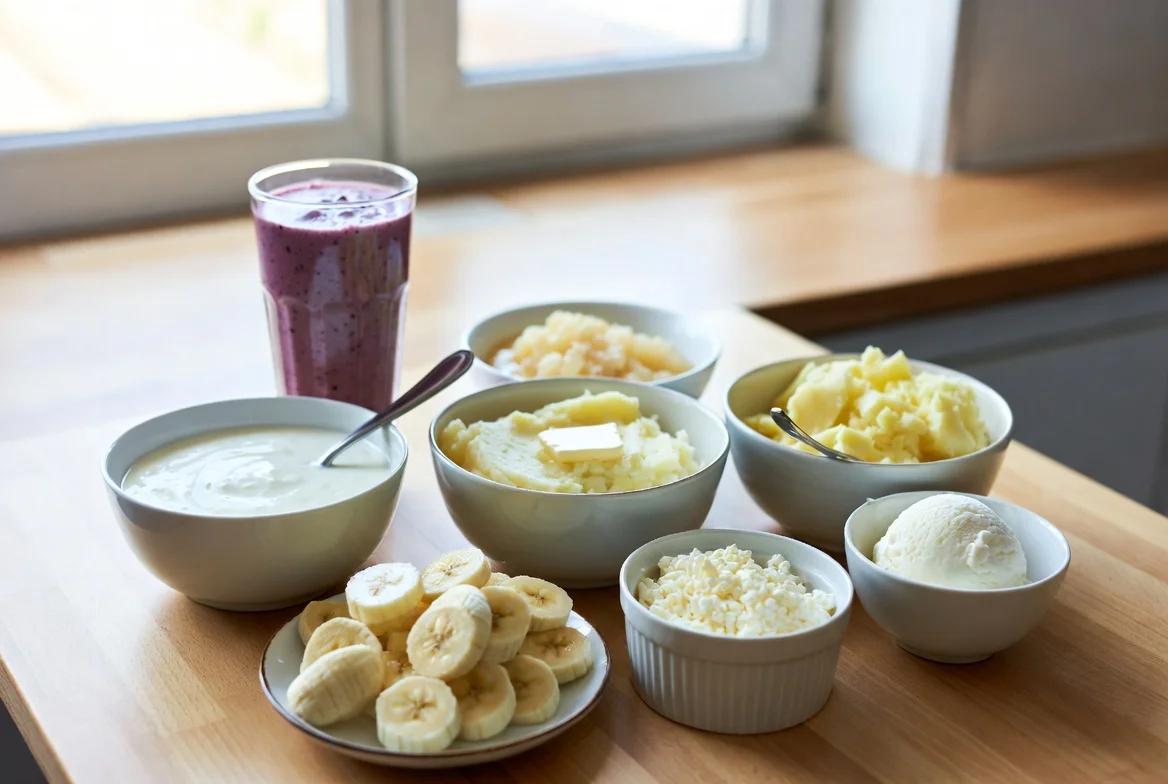
If you just had a tooth pulled, you are probably wondering what you can safely eat tonight. The foods to eat after tooth extraction matter more than most people realize. The right choices protect the blood clot in your socket, ease pain, and help your gum tissue rebuild itself. The wrong choices can knock that clot loose and lead to a painful problem called dry socket. This guide walks you through soft, nutritious foods for every stage of healing, so you never have to guess what is safe to put in your mouth.
Why Food Choices Matter So Much Right After Extraction
The moment your tooth comes out, your body gets to work. A blood clot forms in the empty socket within the first hour or two. That clot acts like a natural bandage. It seals the wound, stops the bleeding, and gives new tissue a safe place to grow. Anything that disturbs this clot — hard chewing, sucking through a straw, or scalding hot soup — can pull it loose. When that happens, the bone underneath is left exposed, and the pain that follows is often worse than the extraction itself.
This is also why nutrition matters beyond just comfort. Your body needs protein, vitamins, and minerals to rebuild tissue quickly. A soft diet is not just about avoiding pain. It is about giving your mouth the raw materials it needs to close the wound and fight off infection.
The First 24 Hours: Liquids and No-Chew Foods

For the first day, stick to foods that need no chewing at all. Your mouth may still be numb, and biting down too soon can injure soft tissue without you even feeling it. Good options include:
- Cold or room-temperature smoothies — sipped from a cup, never through a straw. The suction from a straw can pull the clot right out of the socket.
- Yogurt — plain or lightly sweetened, since it is smooth, cool, and gentle on the gums.
- Cool, lump-free soup or broth — warm, not hot, since heat can raise blood flow to the area and restart bleeding.
- Applesauce — a classic choice because it needs zero chewing and is easy to digest.
- Ice cream — genuinely one of the better Day 1 treats. The cold temperature helps calm swelling, and the soft texture puts no pressure on the socket. Just skip any crunchy toppings like nuts or sprinkles.
Avoid alcohol, carbonated drinks, and hot coffee during this window. Bubbles and heat both work against the clot you are trying to protect.
Days 2 to 3: Soft Foods That Still Require Almost No Chewing
By the second and third day, swelling usually peaks, and this is often when discomfort feels the strongest. Keep choosing foods that barely need chewing, but you can start adding a bit more variety and flavor.
- Scrambled eggs — soft, packed with protein, and easy to swallow once cooled slightly.
- Mashed potatoes — comforting, filling, and simple to prepare with butter or a splash of milk.
- Cottage cheese — mild in taste and a good source of protein and calcium for tissue repair.
- Pureed vegetables — try mashed carrots, squash, or green beans for extra vitamins.
- Oatmeal — instant or quick oats work best since they are softer than steel-cut versions. Let it cool to lukewarm before eating, and skip crunchy toppings like granola or nuts.
- Hummus — creamy, plant-based, and satisfying without any chewing effort.
- Avocado — naturally soft and rich in healthy fats that support healing.
Keep chewing, if any is needed, on the opposite side of your mouth from the extraction site. Small food particles should never be allowed near the healing socket.
Days 4 to 7: Gently Reintroducing Texture
Around Day 4, most people notice swelling starting to ease and pain becoming more manageable. The socket is still healing, but you can usually tolerate foods with a little more texture as long as you stay gentle and chew away from the site.
- Soft pasta — well-cooked and cut into small, manageable pieces.
- Soft-baked fish, like tilapia, flaked apart and chewed slowly.
- Tofu — smooth in texture and a strong plant-based protein source.
- Well-cooked, soft vegetables — steamed until they yield easily to a fork.
- Ripe bananas — naturally soft, easy to mash, and a good source of potassium.
- Soft bread, once your dentist gives the okay, avoiding anything crusty or seeded that could get trapped in the socket.
- Refried beans — warm, savory, and rich in nutrients that support recovery.
Most restrictions are only needed for about a week. After that, many patients gradually return to their normal diet, though your own timeline depends on how quickly your gum tissue closes.
What to Avoid After a Tooth Extraction

Knowing what not to eat is just as important as knowing what to reach for. Steer clear of these until your dentist says otherwise:
- Crunchy or hard foods like chips, nuts, popcorn, and raw vegetables, since they can scrape the socket or get lodged inside it.
- Small grains, like rice, which can slip into the extraction site and be hard to remove.
- Spicy or acidic foods, including hot sauce and citrus, which can irritate sensitive tissue.
- Carbonated drinks, since the bubbles can dislodge the clot. Most dentists suggest waiting several days to a week before having soda or sparkling water.
- Alcohol, which slows healing and can interact poorly with pain medication or antibiotics.
- Anything eaten through a straw, because suction is one of the most common causes of dry socket.
- Very hot foods and drinks, since heat increases blood flow and can trigger bleeding to start again.
Special Notes for Wisdom Tooth Removal
Wisdom tooth extractions often involve deeper surgical work than a routine tooth pull, so swelling and jaw stiffness tend to last a little longer. Many people find they need extra time — sometimes 10 to 14 days — before spicy or crunchy foods feel comfortable again. The same soft-food guidelines apply, but patience is especially important here. Give your jaw extra rest between meals, and do not rush the return to your usual diet just because the pain has faded. Surface comfort does not always match how far along the deeper tissue healing actually is.
Simple One-Day Meal Plan for the First 24 Hours
- Breakfast: A cold smoothie made with yogurt and soft fruit, sipped from a cup.
- Lunch: Lukewarm, strained soup or broth with mashed vegetables.
- Snack: Applesauce or a small bowl of cool ice cream.
- Dinner: Mashed potatoes with a little butter, paired with a cool glass of water.
Sip fluids slowly rather than gulping, since fast drinking can create pressure changes in the mouth that disturb the socket.
Signs You Might Be Ready for Normal Foods
Every recovery moves at its own pace, but a few signs suggest you may be ready to add texture back to your meals:
- Swelling and soreness have noticeably decreased.
- You can open your mouth comfortably without sharp pain.
- Chewing on the healthy side of your mouth no longer causes discomfort near the extraction site.
- Your dentist has confirmed the socket is closing well at a follow-up visit.
If pain, swelling, or bleeding gets worse instead of better, contact your dentist right away rather than waiting it out.
Frequently Asked Questions
How soon after a tooth extraction can I eat?
Most people can eat soft foods within a few hours, once numbness wears off. Stick to liquids and no-chew foods for the first day, then slowly add texture over the following week as swelling and soreness ease.
Can I drink coffee after a tooth extraction?
It is best to wait at least a day or two, and even then, let it cool first. Hot coffee raises blood flow near the socket, and caffeine can be dehydrating, both of which may slow healing.
Is ice cream okay after a tooth extraction?
Yes, plain ice cream without nuts or crunchy toppings is a genuinely good choice on Day 1. The cold helps reduce swelling, and its smooth texture puts no pressure on the healing socket.
Why can’t I use a straw after a tooth extraction?
Straws create suction in the mouth, which can pull the protective blood clot right out of the socket. This is one of the most common and preventable causes of a painful complication called dry socket.
When can I go back to eating normal food?
Many people return to a near-normal diet within about a week, though full gum healing can take several weeks longer. Always follow your own dentist’s guidance, since recovery speed varies by person and by procedure.
What happens if I eat the wrong food too soon?
Eating hard, crunchy, or sticky foods too early can dislodge the blood clot, trap debris in the socket, or introduce bacteria that lead to infection. This can mean more pain and a longer recovery overall.
Are smoothies safe after a tooth extraction?
Yes, as long as you drink them from a cup rather than through a straw. Smoothies are a great way to get fruit, protein, and hydration without any chewing during the first days of healing.
A Final Word on Healing Well
Losing a tooth, whether planned or unexpected, is a normal part of caring for your dental health. What you eat in the days that follow plays a bigger role in your comfort and recovery than most people expect. Start gentle, listen to your body, and let your socket set the pace rather than the calendar. Within a week or two, most people are back to their usual meals, feeling like themselves again with a healthier smile to show for it.
This article is for general informational purposes only. Because healing timelines and dietary needs vary from person to person, please consult your dentist or oral surgeon before making decisions about your recovery diet, and always follow the specific aftercare instructions they provide.


 Apex
Apex


