 Apex
Apex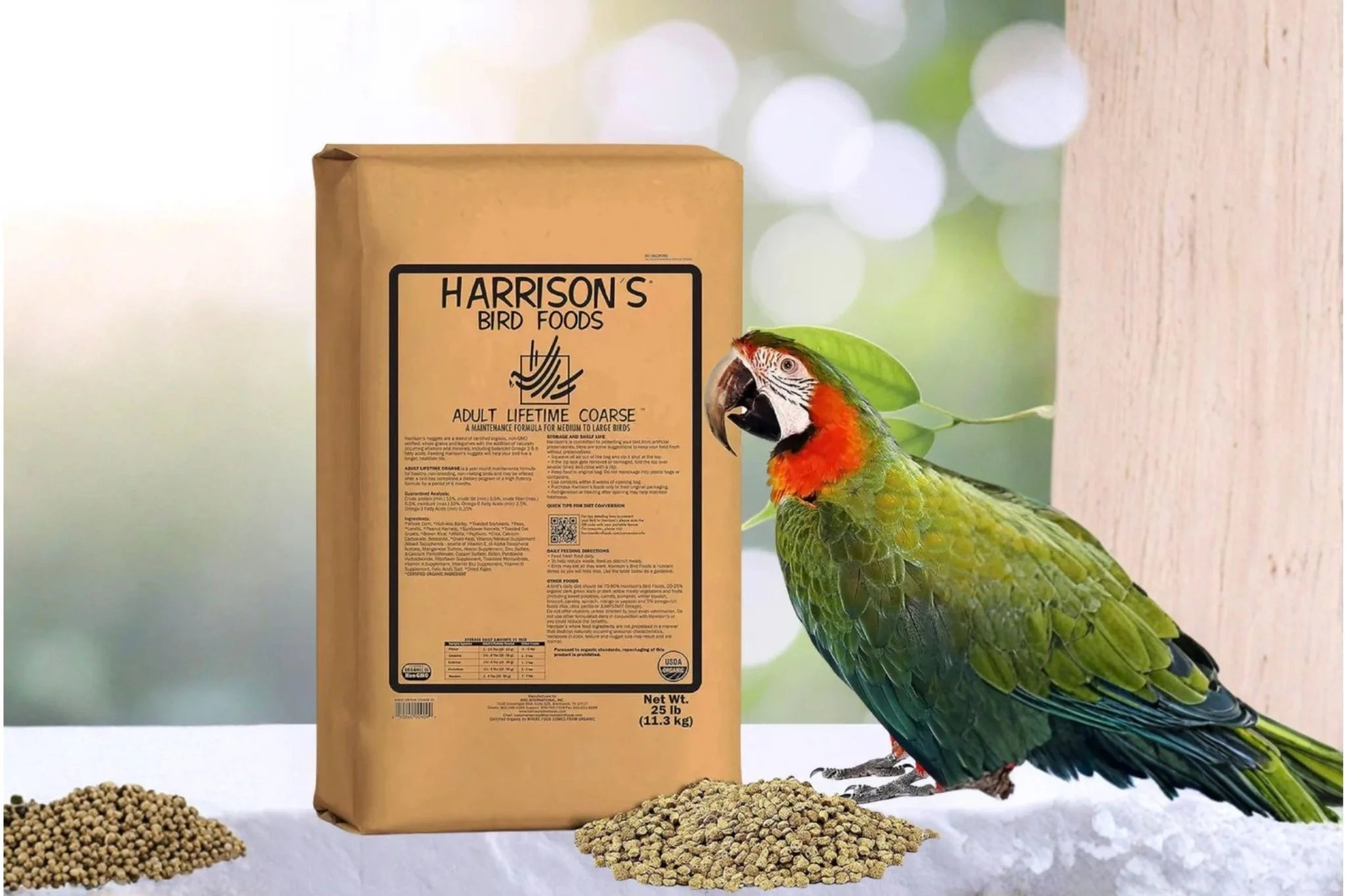
Walk into any avian vet clinic and look at what’s stacked behind the counter. Nine times out of ten, there’s a bag of the same brand sitting there, and it isn’t the one advertised on television. Harrisons bird pellets built that reputation slowly, through vets rather than marketing. The bags cost more than supermarket seed, and the pellets look plain and brown. So it’s fair to ask what the fuss is about before spending the money.
Why Harrisons Bird Pellets Sit Behind the Vet’s Counter
The formula came out of a clinic, not a factory. Dr. Greg Harrison was an avian veterinarian watching birds arrive with the same preventable problems again and again, most of them traceable back to a seed bowl.
His response was a certified organic pellet that was free of artificial coloring, artificial preservatives, and sugar coating. The product is not made to seem enjoyable in any way. That’s deliberate.
Organic Isn’t a Marketing Word Here
Plenty of bird foods say natural on the front and list dye numbers on the back. Certification means the grains are grown without synthetic pesticides, and for an animal with lungs as sensitive as a parrot’s, residue matters more than it does for us.
Plain pellets, honest droppings
Bright food makes bright droppings, and that hides things. Green stools, red stools, odd colors that send owners into a panic for no reason. Feed something plain, and the droppings tell you the truth about your bird’s health. Vets like that.
The Formulas and Who They’re For
The range splits by life stage and by pellet size:
- High Potency, meant for the switch itself and for birds that arrive underweight or in poor feather
- Adult Lifetime, the everyday maintenance formula once a bird is stable and thriving
- Super Fine, Fine and Coarse grinds, chosen by beak size rather than by species name
- Mash versions for hand feeding, mixing into soft food, or tempting stubborn eaters
- Power Treats, useful as training rewards without wrecking the diet
- Recovery Formula, for sick or post-surgery birds, and worth a vet conversation first
- Bird Bread mixes, baked at home and handy for hiding pellets inside something familiar
Most birds start on High Potency for roughly six months, then move across to Adult Lifetime. Check with your vet, because underweight or breeding birds often stay on the richer formula longer.
How It Compares to Tops Parrot Food Pellets
The other name that comes up constantly is TOP’s, and the two brands take genuinely different routes to the same goal.
Tops parrot food pellets are cold-pressed rather than baked, which supporters argue preserves more of the nutrition from the raw ingredients. The formula relies on whole foods like hemp seed, rose hips, alfalfa, and sea kelp rather than synthetic vitamins.
Harrison’s goes the other way, using a controlled formulation so every pellet delivers the same measured nutrient profile. Neither approach is wrong. One offers consistency; the other offers whole-food sourcing; and birds have preferences of their own regardless of what the label promises.
Getting a Seed Addict to Eat Them
Most owners give up too soon at this point. A bird raised on seed sees a brown pellet as an insult rather than food.
- Offer pellets in the morning when hunger is highest, then bring back familiar food later
- Mix a small proportion into the old diet and shift the ratio over several weeks
- Crumble pellets over wet vegetables so they stick and get eaten by accident
- Bake them into bird bread, which fools a surprising number of stubborn birds
- Eat one near the cage, or make a show of pretending to, since flock habits drive parrot behavior
- Weigh the bird weekly on a gram scale throughout the transition
That weighing step matters more than any of the tricks above. Feathers disguise weight loss almost completely, and a bird can go seriously downhill while still looking normal on the perch. Never starve a bird into converting.
Keeping the Bag Fresh
Without synthetic preservatives, freshness is on you. Seal the bag properly, keep it cool and dark, and refrigerate or freeze anything you won’t use quickly. Buy sizes that get finished in weeks rather than months, and check the date on the bag every time you restock.
Where to Buy Without the Guesswork
Freshness depends heavily on how fast a shop moves stock, which is the practical argument for a specialist over a general chain. A dedicated pet bird store carries the full range of grinds, knows which formula suits a rescue Amazon versus a young budgie, and doesn’t leave bags sitting for a year.
Birdie Boutique stocks Harrisons bird pellets across the sizes, alongside TOP’s parrot food pellets if you’d rather compare the two side by side, plus the perches and toys you’ll need anyway.
Pellets aren’t a whole diet on their own. Fresh vegetables still belong in the bowl. However, Harrisons bird pellets continue to be one of the few items that avian veterinarians unhesitatingly suggest as a starting point.


 Louis Harris