
 Louis Harris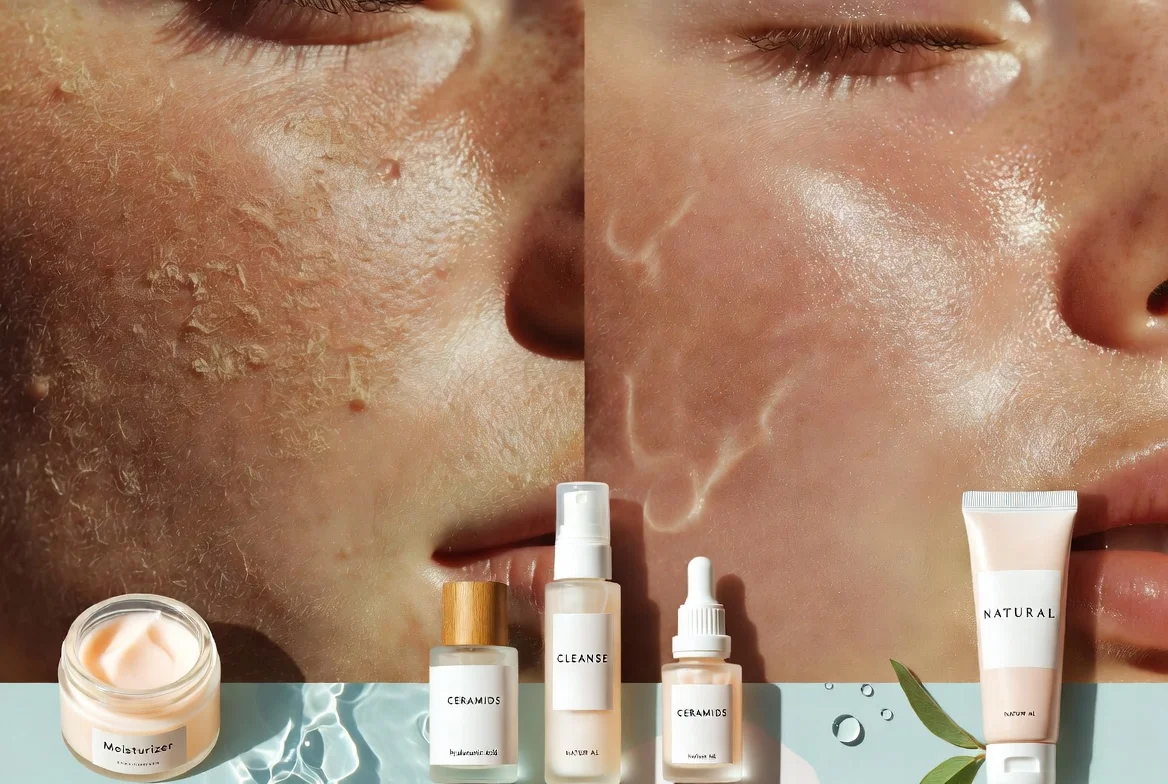
Many people notice their skin feels rough and bumpy at times. In 2026, rough skin remains a common worry for folks of all ages because busy lives, changing weather, and daily habits can make skin lose its smooth feel. Rough skin happens when the top layer gets dry, thick, or uneven. It can make your face look dull or your body feel scratchy, and that often hurts how confident you feel each day.
This article will help you understand what causes rough skin and how to care for it gently. You will learn simple ways to treat it, the best moisturizer and lotion choices, and a full daily routine that brings back soft, happy skin. With steady care, most people see real improvements in just a few weeks.
Understanding Rough Skin
Rough skin feels bumpy, dry, or sandpaper-like when you touch it. The texture looks uneven under light, and sometimes small flakes appear. It differs from smooth, soft skin that feels nice and stretches easily.
Temporary dry rough skin often comes and goes with seasons or quick changes in care. It might clear up fast with extra moisture. Chronic rough skin patches stick around longer and need more patient attention because the skin barrier stays weak. Common signs include tightness after washing, itchiness, redness in spots, and a dull look that makeup does not hide well. Many describe it as skin that pulls or feels uncomfortable all day.
Because skin protects your whole body, keeping it healthy matters a lot for comfort and looks.
Common Causes of Rough Skin
Your skin can become rough for many reasons inside and outside the body. Inside, not drinking enough water makes skin dry from within. As people get older, natural oils decrease, so skin loses bounce and feels rougher over time.
Outside triggers include cold or windy weather that pulls moisture away fast. Hot showers wash off good oils too. Harsh soaps and products with strong scents or alcohol strip the skin barrier. Lifestyle choices like too little sleep, stress, or eating few fresh foods also play a part.
Rough skin on face suddenly appears for many because of a quick switch in weather, new skincare, or even travel. One day skin feels fine, and the next it looks patchy because the protective layer gets upset. Understanding these triggers helps you stop problems before they start.

Why Rough Skin Appears on Specific Areas
Different body parts get rough skin for their own reasons.
Rough skin on face and dry rough skin on face often shows up on cheeks, forehead, or around the nose. Thin face skin reacts quickly to wind, sun, or strong cleansers. It can look flaky and feel tight, especially in dry rough skin on face cases.
Rough skin under eyes is extra delicate. Thin skin there shows dryness fast, with fine lines or a crepey feel. Gentle care is important because rubbing too hard can make it worse.
Rough skin on elbows builds up because this area bends a lot and gets less natural moisture. Skin thickens and turns dark or bumpy from leaning or dry air.
Rough skin on feet, rough skin on heels, and how to get rid of rough skin on feet is very common. Feet carry your weight daily and hide in shoes, so thick dead skin piles up. Heels crack easily in dry seasons. Gentle soaking, soft filing when wet, and thick creams help smooth them. Many see good results by caring every day instead of waiting for big problems.
Rough skin on penis needs kind attention because skin there is sensitive. Mild dryness or patches can come from soap, friction, or weather. Always choose gentle, fragrance-free products and avoid anything harsh to protect comfort.
Each area teaches us to listen to our body and give special care where needed.
Rough Skin Patches: When It Becomes a Bigger Issue
Sometimes rough skin patches stay in one spot and feel more stubborn. These can link to common conditions like eczema, which brings red, itchy spots, or keratosis pilaris, known for small bumps on arms and thighs.
Normal dryness usually improves with moisture and gentle habits. Watch for red flags like very red or swollen areas, open sores, strong itching that wakes you up, or patches that spread fast. These signs mean it is wise to talk to a doctor for extra help. Early care keeps small issues from growing bigger.
Best Treatments for Rough Skin
Good treatments focus on adding moisture and gently removing buildup. Over-the-counter options with urea or lactic acid soften rough spots while hydrating. Natural approaches like plain petroleum jelly or shea butter lock in water nicely for many people.
In 2026, some choose light clinical procedures like gentle peels or light therapy for faster smoothing on face or body. These work well when paired with daily home care. For how to get rid of rough skin on face effectively, start slow with mild products so skin stays calm. Consistency matters more than quick fixes. Most see softer texture after four to eight weeks of steady use.

Best Moisturizer and Lotion for Rough Skin
Choosing the right moisturizer for rough skin or lotion for rough skin makes a huge difference. Look for ingredients like ceramides, hyaluronic acid, glycerin, urea in low amounts, and lactic acid. These help pull water in, repair the barrier, and smooth texture without irritation.
Avoid strong fragrances, alcohol, and harsh sulfates because they dry skin more. For different skin types, dry skin loves thick creams, while sensitive skin does best with simple formulas. In 2026, many good options combine several helpful ingredients in one product for easy routines. Test a small area first and pick what feels comfortable on your skin.
Step-by-Step Daily Skincare Routine for Rough Skin
A gentle daily routine helps rough skin face and body feel better fast.
Morning routine: Start by splashing your face with cool water or using a very mild cleanser. Pat dry softly. Next, apply a hydrating serum if you like, then a good moisturizer for rough skin. Finish with sunscreen every single day because sun makes roughness worse. For body, apply lotion after showering while skin is still damp.
Evening routine: Cleanse gently to remove the day’s dirt without stripping oils. Use a mild treatment like a light exfoliating product two or three times a week at most. Then layer on your moisturizer or lotion for rough skin. This night repair time lets skin heal while you rest.
Keep steps simple so you enjoy doing them every day. Over time, skin feels softer and looks brighter.
Weekly Treatments and Advanced Care
Once or twice a week, add extra care for better rough skin texture. Gentle chemical exfoliation with lactic acid or a soft cloth helps lift dead cells. Soothing masks with honey or oatmeal calm face skin nicely. For body, use a mild scrub on elbows, knees, and feet after soaking.
Sensitive areas like under eyes or private spots need the softest touch — maybe just extra moisturizer. Tools like soft brushes or gloves work if you stay gentle. Always follow with rich cream so skin stays balanced. These weekly steps build on daily habits for smoother results.

Lifestyle Changes That Make a Real Difference
What you do every day affects skin health deeply. Drink plenty of water to hydrate from inside. Eat foods rich in healthy fats, fruits, and vegetables because they feed skin cells. Good sleep lets your body repair itself overnight. Managing stress with walks or calm breathing helps too, since worry can dry skin.
Adjust your home by using a humidifier in dry rooms and wearing soft clothes. These small changes prevent dry rough skin and rough skin patches from coming back. Over time, they support the skincare routine and keep skin happy year-round.
Common Mistakes That Worsen Rough Skin
Many people make simple errors that keep skin rough. Hot showers feel nice but remove natural oils fast. Using harsh scrubs every day or strong soaps strips the barrier. Skipping moisturizer after washing lets dryness return quickly. Over-exfoliating or mixing too many strong products at once can irritate sensitive spots like rough skin on face or elbows.
On feet and heels, ignoring daily care leads to cracks. For sensitive areas, scented products often cause trouble. Learning these mistakes helps you avoid them and see faster progress.
When to See a Dermatologist
Sometimes home care is not enough. See a doctor if rough skin on face suddenly gets very red or painful, if patches on penis last long, or if nothing improves after weeks of good care. Professionals can check for underlying issues and suggest stronger treatments safely. Do not wait if skin feels infected or very uncomfortable. Early help brings relief and clear skin again.
Prevention Tips for Long-Term Smooth Skin
Prevention keeps skin smooth all year. Always moisturize right after bathing. Protect from sun with daily sunscreen. Choose gentle products made for your skin type. Stay consistent even when skin improves because stopping too soon lets problems return. Small daily choices add up to big, lasting softness.
FAQ
What makes rough skin on heels crack so much?
Heels take a lot of pressure and often stay dry inside shoes. Lack of moisture plus thick skin buildup leads to cracks. Daily thick lotion and gentle soaking prevent this.
Can rough skin under eyes be fixed without heavy creams?
Yes. Light, gentle eye creams with hyaluronic acid or ceramides work well. Use tiny amounts and pat softly to avoid pulling the delicate skin.
Is rough skin on penis usually serious?
Most cases come from dryness or mild irritation and clear with gentle washing and plain moisturizer. See a doctor if it itches badly or lasts long.
How long until I see results from a new routine?
Many notice softer feel in one to two weeks. Bigger texture changes often take four to eight weeks of steady care. Patience brings the best outcomes.
Are natural oils good for rough skin patches?
Some like coconut or jojoba oil help lock moisture, but test first because not every skin likes them. Pair with ceramide products for barrier repair.
What if my rough skin on face suddenly appears after travel?
Travel dries skin with airplane air and new water. Extra hydration, gentle cleansing, and rich moisturizer usually fix it quickly.
Can diet really change rough skin?
Yes. More water and foods with omega fats and vitamins support skin from inside. It works together with good topical care.
Is exfoliation safe for all rough skin areas?
Gentle exfoliation helps most spots, but use less on face and sensitive places. Always follow with moisture and stop if irritation starts.
Conclusion
Taking care of rough skin brings real joy as your skin feels soft and looks healthy again. By understanding causes, using kind treatments, following a simple routine, and making smart lifestyle choices, you give your skin what it needs to stay smooth. Start small today with one or two changes, and build from there. You deserve skin that feels comfortable and confident every day. Keep going with patience and love for your body. Soon you will enjoy the smooth results.
Here is a quick checklist to begin right away:
- Drink water and moisturize after every wash.
- Pick gentle products with ceramides or urea.
- Use sunscreen daily.
- Exfoliate softly once or twice a week.
- Be patient and consistent.
You have everything you need to succeed.
Disclaimer:
This article shares general information for educational purposes only and is not medical advice. Always talk to a qualified dermatologist or healthcare provider for personal concerns, diagnoses, or treatments. Results vary by person.


 Wild Rise
 IQnews wire


